

3M Ceramic Braces
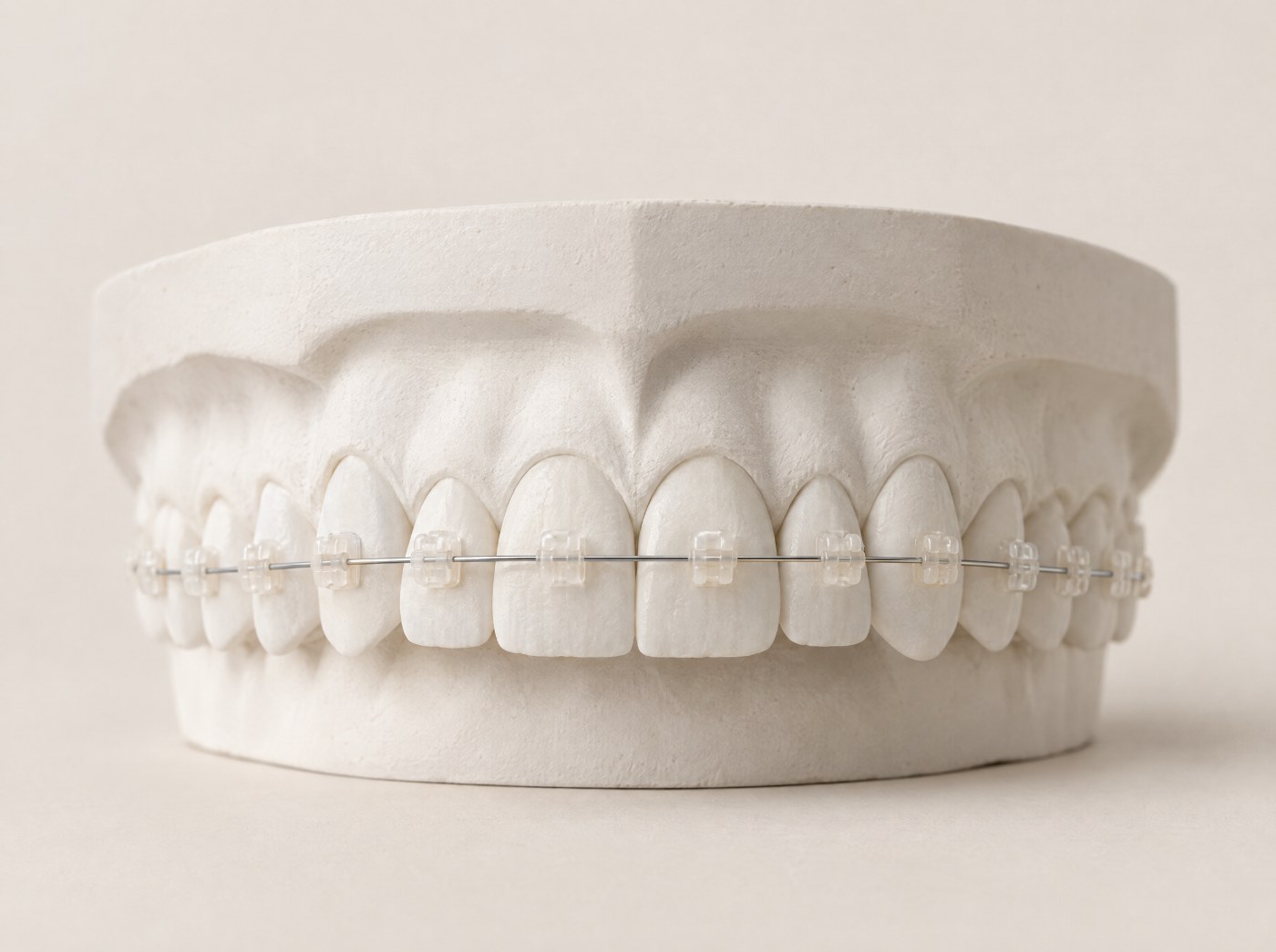
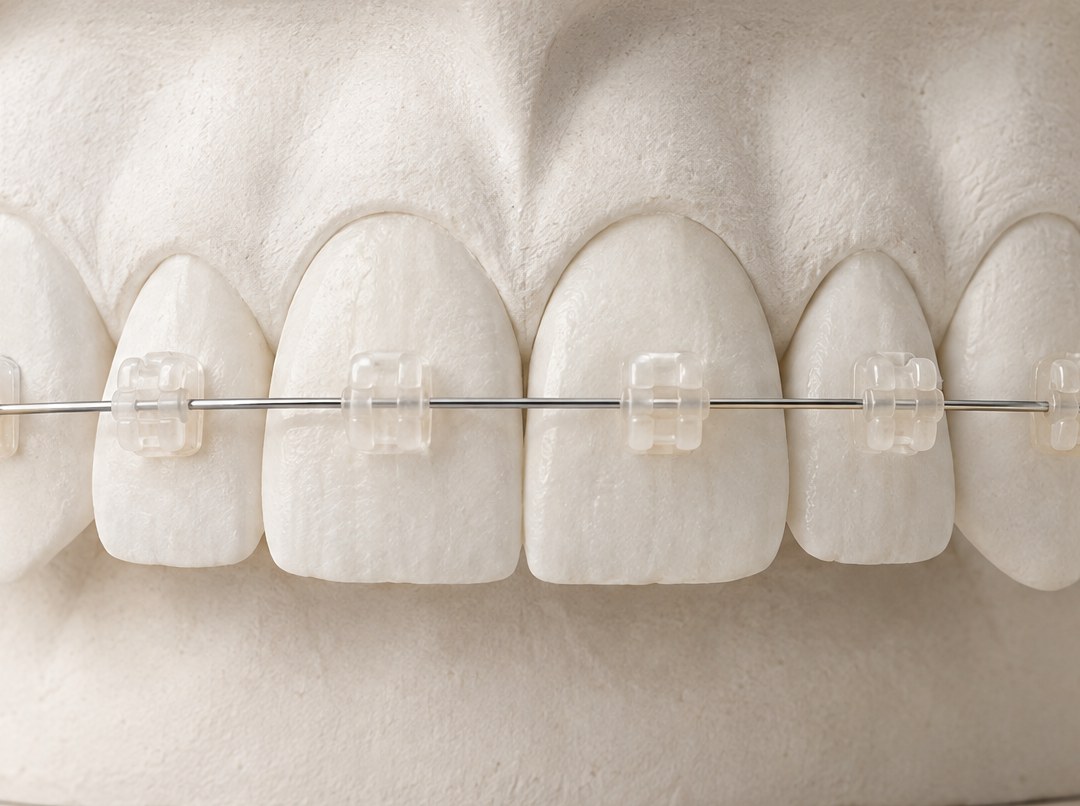
Ceramic braces use brackets that closely match the color of your teeth, so they are a comfortable appliance that lets you smile naturally even during orthodontic treatment.
What are 3M ceramic braces?
Ceramic braces is the general term for appliances whose brackets, which are attached to the teeth during orthodontic treatment, are made of ceramic close to the color of the teeth.
Compared with conventional metal brackets, they have better esthetics and can be used in most orthodontic cases.
Ceramic braces at Ceramic Dental Clinic (3M Clarity)
Made by 3M in the USA, this is the appliance that Dr. Sunmin Kim, Head Director of Ceramic Dental Clinic (board-certified orthodontist), chose to ease patient discomfort based on 16 years of experience in orthodontic treatment.
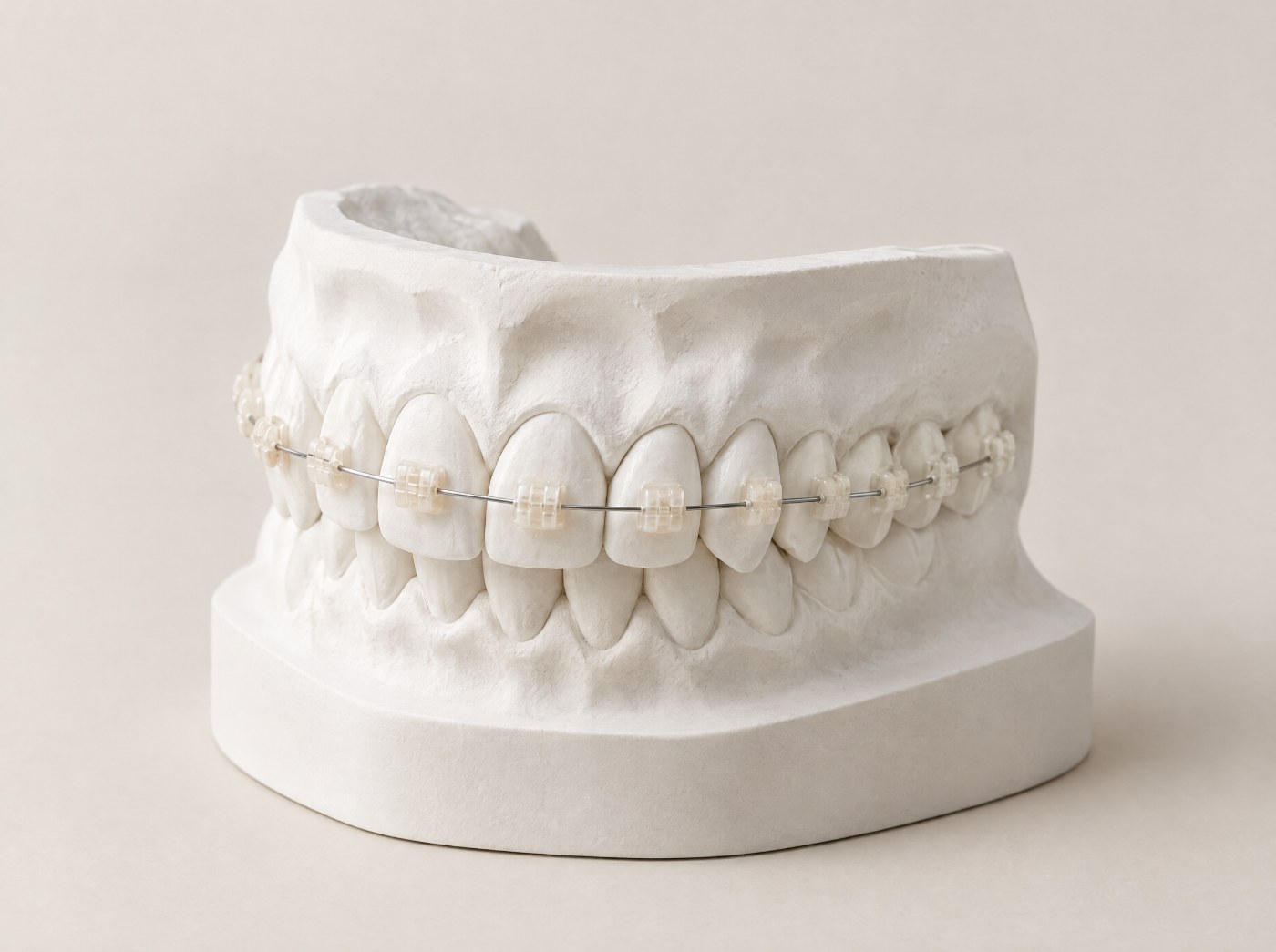
Features of ceramic braces (3M Clarity)
Color nearly identical to natural teeth
Teeth are not simply white; they are translucent. Clarity brackets, made by 3M in the U.S., reflect this quality, with a color very close to natural teeth and excellent esthetics.
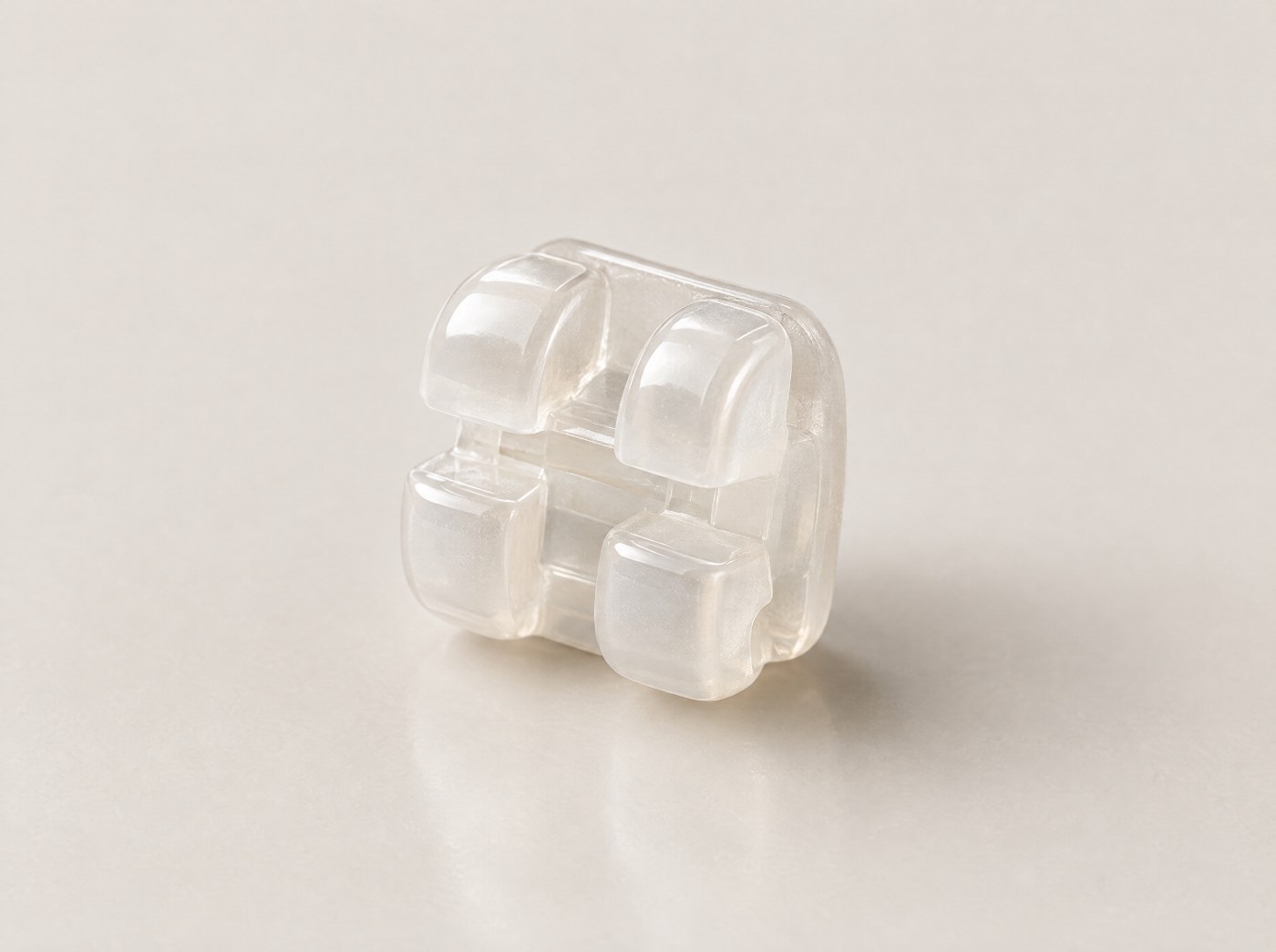
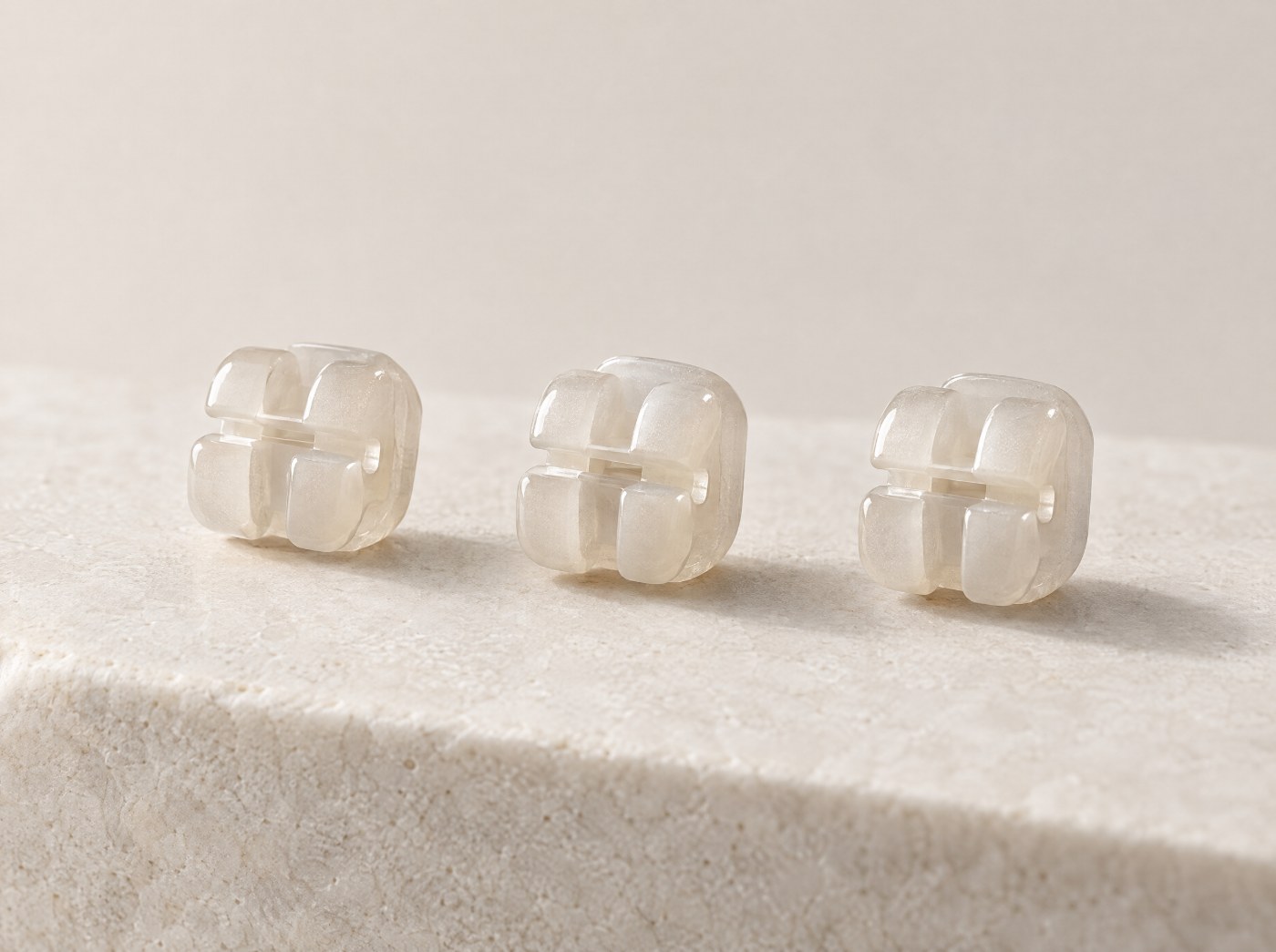
Rounded surfaces and edges
Older brackets (both metal and ceramic) had angular surfaces that felt foreign and uncomfortable against the tongue or lips. 3M Clarity brackets have rounded surfaces and edges to minimize that foreign-body feeling and discomfort.
Size DOWN
High-quality ceramic material and the manufacturing process (CIM_Ceramic Injection Molding) increase strength and reduce the size of the appliance, further reducing the foreign-body feeling.
High-strength ceramic material and rounded design
The CIM (Ceramic Injection Molding) process increases the strength of the appliance (bracket), and the areas where conventional brackets often break have a special design, so they do not break easily.
(※ Because they are made of a porcelain material, they are not stronger than metal and can be damaged by a very strong impact.)
Minimal discoloration
Thanks to high-quality ceramic material and manufacturing, there is almost no discoloration during treatment, so the esthetics are maintained until treatment is complete.
FAQ
Tap a question to see the answer.
Which appliance is the best?
No single appliance is best for every case. It depends on how far and at what angle the teeth need to move, whether teeth are extracted, how much an inconspicuous appliance matters to you, and how committed you are to wearing a removable appliance. I set the direction and plan of treatment first, then recommend an appliance that fits your lifestyle and how you will care for it.
What about Invisalign (clear aligners)?
You wear a series of clear aligners made of a special plastic, changing them in order according to the treatment plan. They need to be worn at least 20 hours a day, except when eating and brushing, for treatment to progress within the planned period. Depending on the severity of the malocclusion, whether extraction is needed, and whether the problem is dental or skeletal, they may not be suitable.
How do the appliances compare?
Clear aligners are inconspicuous, and because you can remove them yourself, eating and brushing are easier. With fixed appliances, you need to take more care around the brackets when eating and brushing. When the malocclusion is severe, the teeth need to move a lot, large vertical adjustments are needed, or teeth are extracted, fixed appliances are often the better choice. We show you the actual appliances during the consultation.
What is Clippy-C (self-ligating appliance)?
The wire is held by a cover built into the bracket instead of elastic ties. It is often used even when the teeth need to move a lot, as in extraction cases. The area around the brackets needs to be cleaned carefully.
What about lingual braces (appliances behind the teeth)?
They are attached to the inner, tongue side of the teeth, so they are hardly visible from the outside. At first they touch the tongue, so speech may feel awkward or uncomfortable, and getting used to them usually takes a few weeks. You need the habit of carefully cleaning the inside of the appliance.
What is it like after the appliance is placed?
You may feel some aching for the first few days. The first two visits are two weeks apart, and after that usually once a month. If a bracket comes off or a wire pokes you, please message us.
Can extraction cases be treated with clear aligners?
Sometimes, but when the teeth need to move a lot, fixed appliances are often better.
Will lingual braces keep affecting my speech?
It may feel awkward at first because the appliance touches the tongue, but most people adjust within a few weeks. How quickly you adjust varies from person to person.
Can I change appliances partway through?
It may be possible depending on the plan. Please let us know during your consultation.
Do tooth-colored brackets break easily?
Hard foods can raise the risk of breakage, so please be careful. If one breaks, just contact us.
Side effects and limitations
- If the area around the appliance is not cleaned well, cavities, gum inflammation or white spots on the tooth surface can develop.
- With clear aligners, the teeth will not move as planned if the wearing time is not kept.
Treatment results and side effects may vary from person to person.