
COLUMN ・ VENEERS
Porcelain Veneers Regret|7 Common Reasons, Downsides and Lifespan to Know Before You Decide

By Dr. Sunmin Kim, lead dentist & orthodontist, Ceramic Dental Clinic ・ October 2026
Porcelain veneers are thin ceramic shells bonded to the front of your teeth to change their shape and color or close small gaps. They can change your smile quickly, yet some people end up saying, "I wish I hadn't done it."
I'm Dr. Sunmin Kim, board-certified orthodontist and lead dentist at Ceramic Dental Clinic in Gangnam, Seoul. I have spent 16 years looking at teeth and faces together, and I often meet patients who are unhappy with veneers they had done elsewhere. Most regret comes not from the treatment itself, but from things people did not know beforehand. This guide covers the most common reasons for veneer regret, the downsides and lifespan to expect, and what to check before you commit.
What are porcelain veneers?
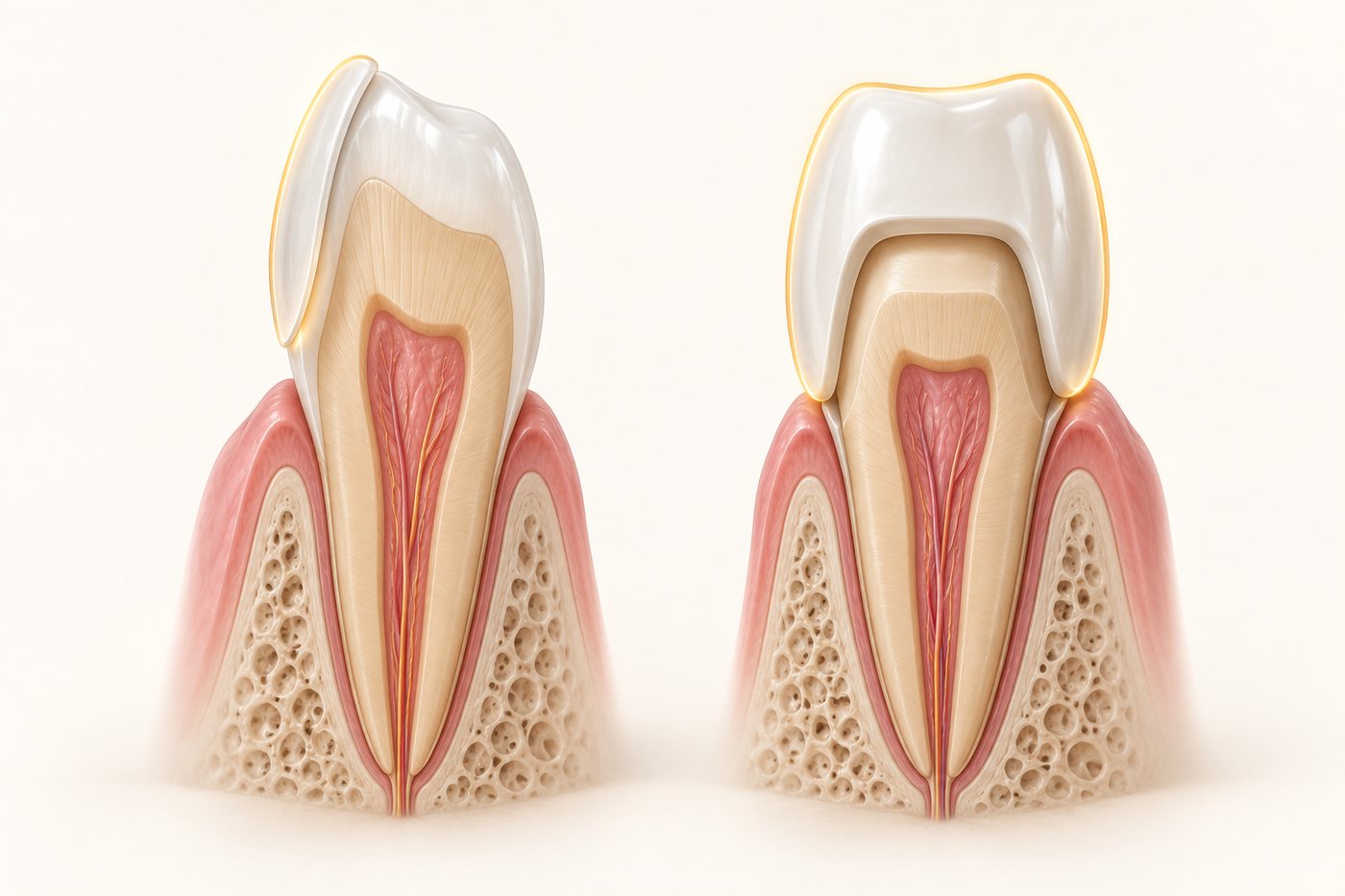
The front surface of the tooth is lightly prepared, and a ceramic shell about 0.3–0.5 mm thick is bonded on top. Compared with a crown, which covers the whole tooth, veneers need far less tooth reduction, and sometimes none.
Depending on tooth position, color and the shape you want, however, more reduction may be needed, and not every tooth can be treated the same way. This is the first point where regret can begin.
7 reasons people regret veneers
1. Too white for their face
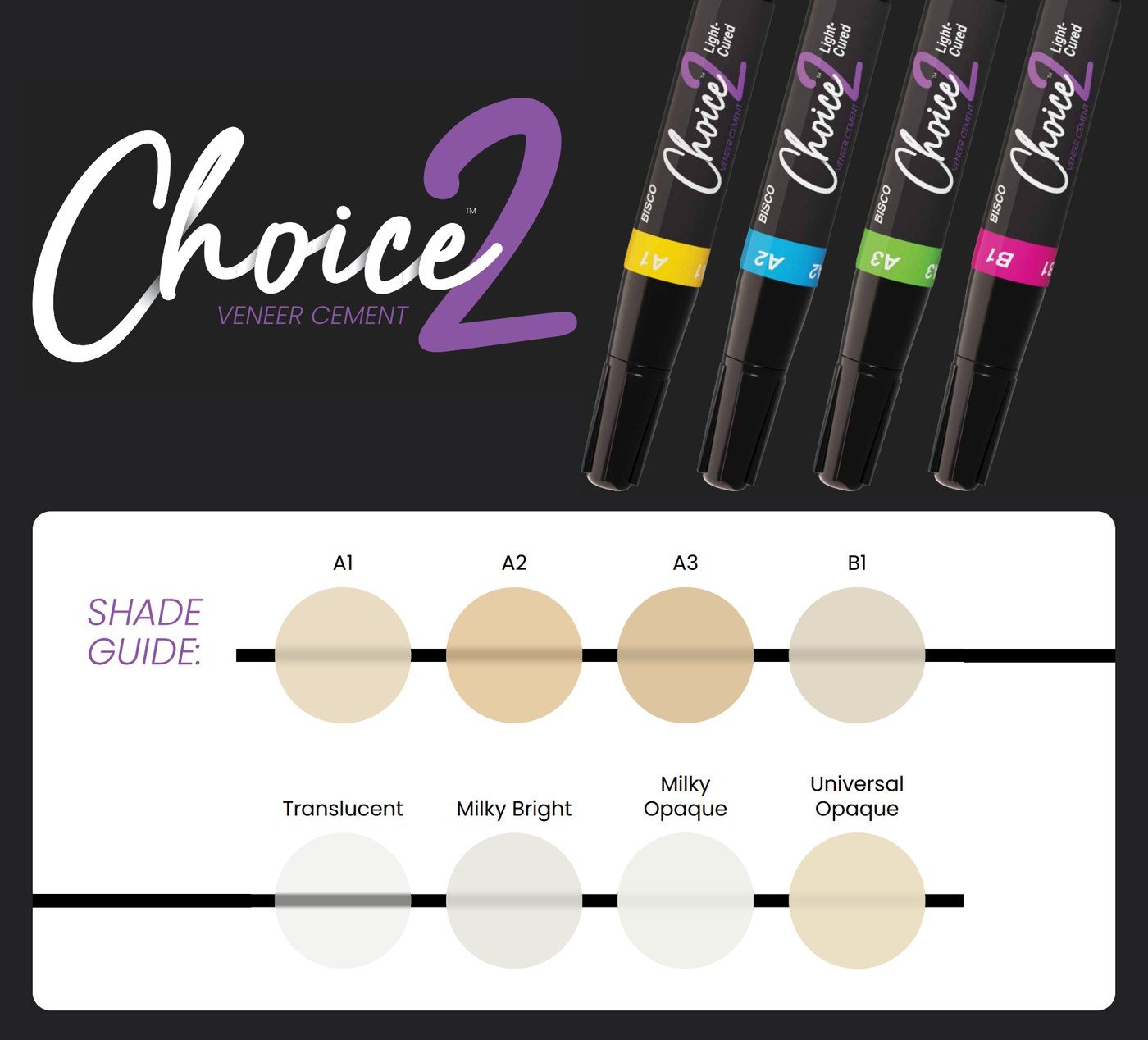
Color is the most common regret. Very white teeth can look striking in photos, but they look unnatural if they don't match your skin tone, lips and neighboring teeth.
2. Teeth look too big or bulky
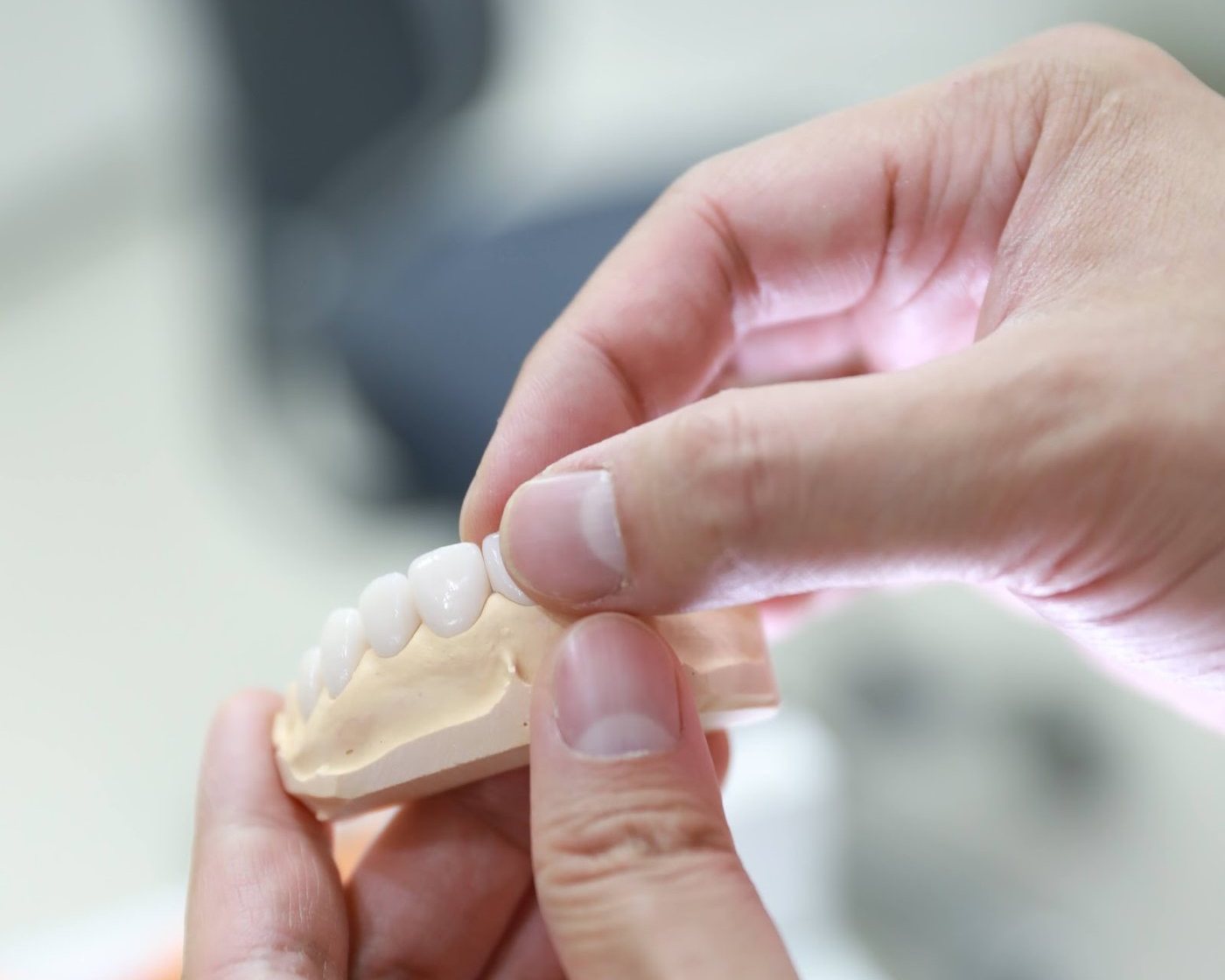
The thickness of the ceramic can push teeth forward or change their length and width, so some people feel their teeth now "stick out." This needs to be discussed and built into the design before anything is made.
3. More enamel was removed than expected, and teeth became sensitive
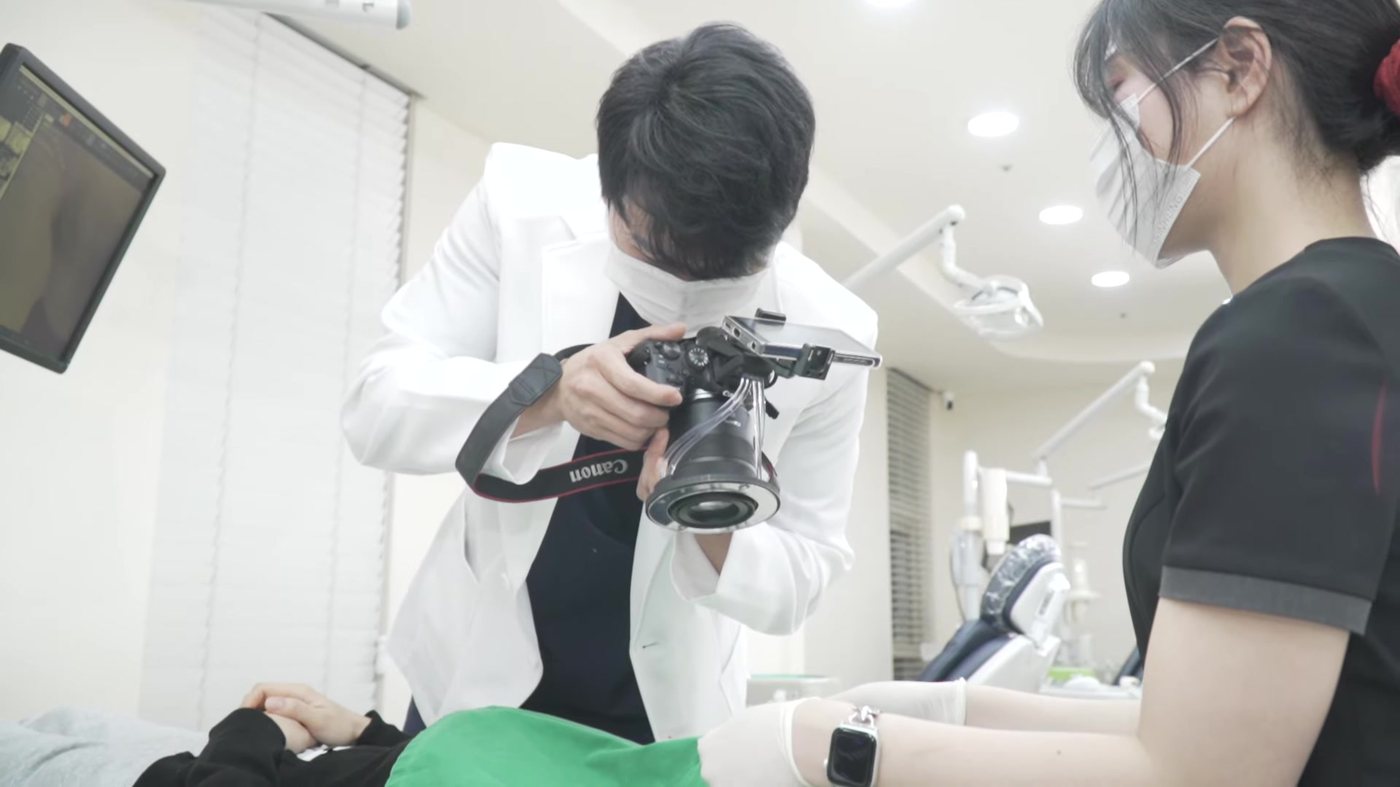
The more tooth structure is removed, the more likely sensitivity or pain becomes, and in rare cases a root canal may be needed.
4. The gumline edge became visible
Over time the gums can recede and the margin between veneer and tooth may show. Treating teeth while the gums are inflamed can also lead to prolonged swelling or bleeding.
5. A veneer chipped or came off
Veneers are strong, but biting hard foods with your front teeth, grinding or clenching makes chipping and debonding more likely.
6. Not realizing it can't be undone
Once enamel is removed, it does not grow back. Veneers are not always something you can simply take off later. You should start with future replacement in mind, which is why the amount of reduction matters, and why we make the natural teeth as healthy and well-shaped as possible before bonding.
7. The real problem was tooth alignment
If your front teeth bother you because of their position, trying to fix it with veneers alone can mean more reduction or bite problems. Some people later realize orthodontics or whitening would have suited them better.
Downsides of porcelain veneers
- They can't be undone. Removed enamel does not come back.
- They cost money. Veneers are elective treatment not covered by insurance, and the total rises with the number of teeth.
- Sensitivity or an odd feeling. Teeth may feel sensitive for a few days after bonding.
- The color can't be changed later. Whitening does not change the color of ceramic. If you want your other teeth whiter too, we choose the veneer shade and whiten the remaining teeth to match.
How long do porcelain veneers last?
There is no single number. It depends on your teeth and gums, your bite, grinding habits and daily care.
For reference, a long-term study of ceramic veneers reported that about 90% were still in service after 10 years and about 80% after 20 years (Beier et al., International Journal of Prosthodontics, 2012). These figures come from study conditions and won't apply to everyone.
To make them last, wear a night guard if you grind or clench, avoid biting hard foods with your front teeth, and have your gums and bite checked regularly.
Getting veneers in Korea: what to check
- Visits and length of stay: Our usual schedule is two visits about one week apart. At the first visit we prepare the teeth and take impressions; after about a week of fabrication, we confirm the color and bond the veneers at the second visit. We prefer to wait until the teeth and gums have settled and there are no symptoms. For short trips, a one-day option (preparation in the morning, bonding that evening or the next day) may be possible, depending on your teeth.
- Follow-up: We check the gums, bite and margins about two weeks after bonding. After you return home, we ask you to send photos and to visit us again on your next trip to Korea.
- Cost: Ceranate (porcelain veneers) is KRW 550,000–770,000 per tooth including VAT, about USD 415–580 (USD 1 ≈ KRW 1,326 as of Oct 22, 2026; the actual amount depends on the exchange rate). The price varies with the material and fabrication method.
- Language: Fully understanding the explanation and being able to ask in your own words is the best way to avoid regret. Consultations are available in English.
FAQ
Can veneers be redone if I regret them?
Can veneers be done without removing any tooth?
Whitening or veneers: which is better?
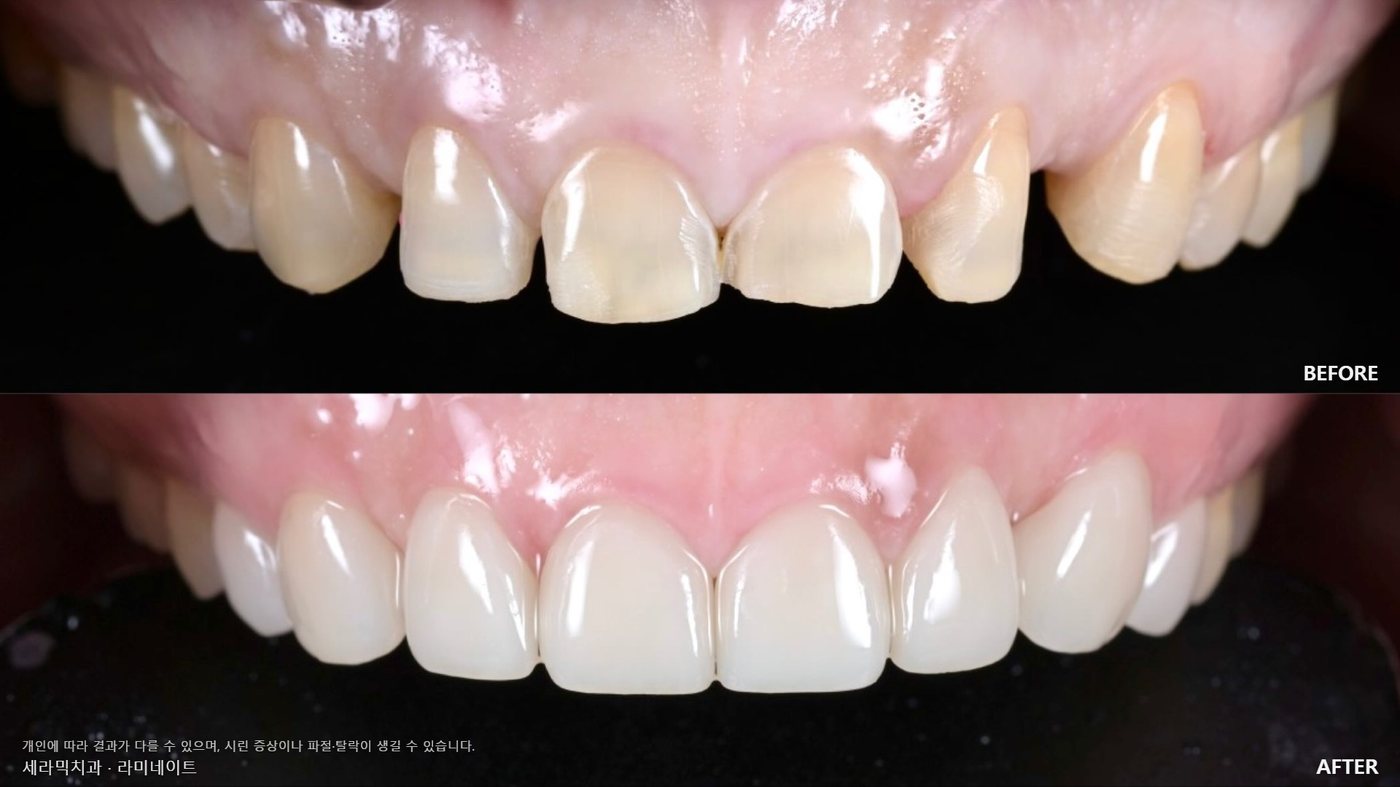
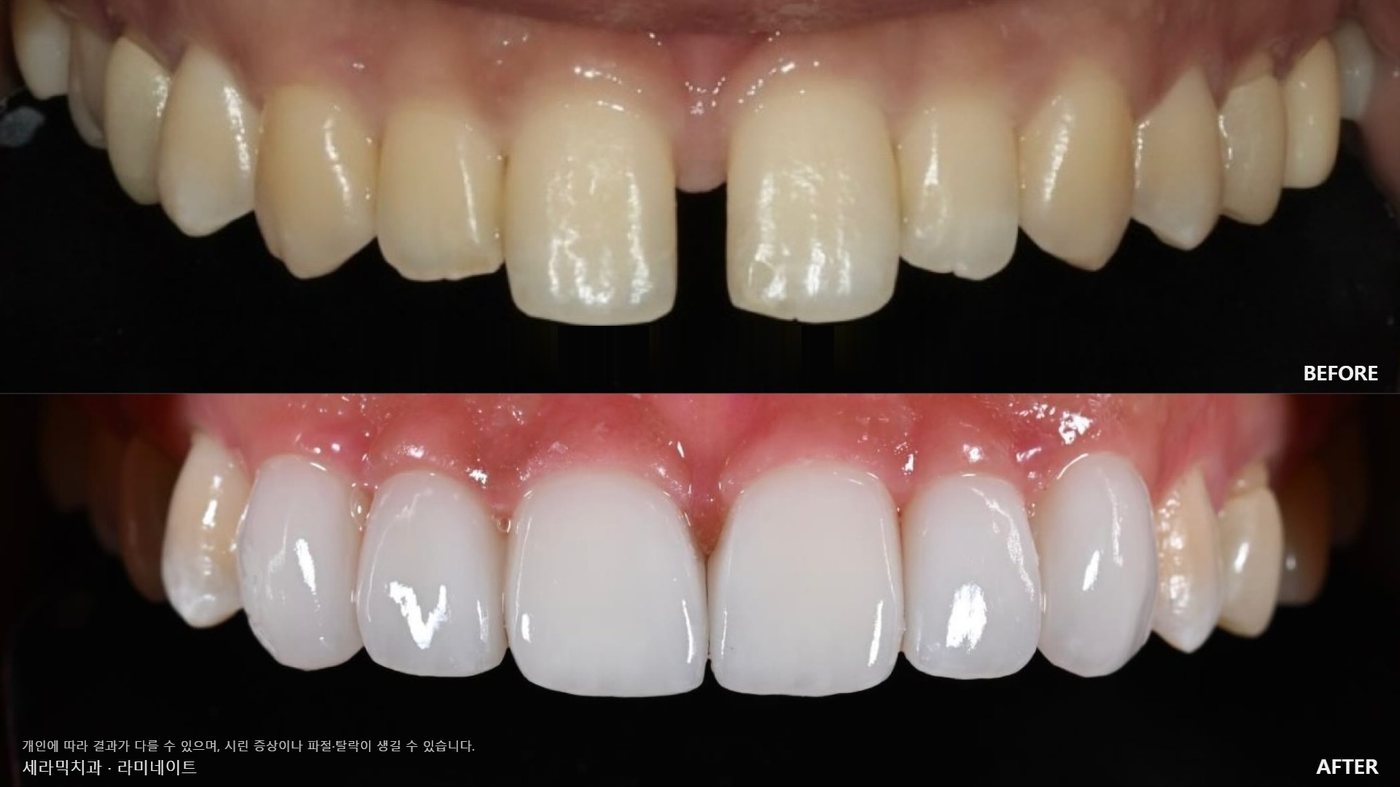
Results vary from person to person. Sensitivity, chipping or debonding may occur.
How many veneers do I need?
Can I just come for a consultation?
※ Results and side effects vary from person to person. Sensitivity or discomfort may occur after bonding.
※ Prices are as of October 2026.
Dr. Sunmin Kim Lead dentist at Ceramic Dental Clinic, board-certified orthodontist, PhD (Tokyo Medical and Dental University). Even for veneer consultations, he checks tooth position and bite first.