
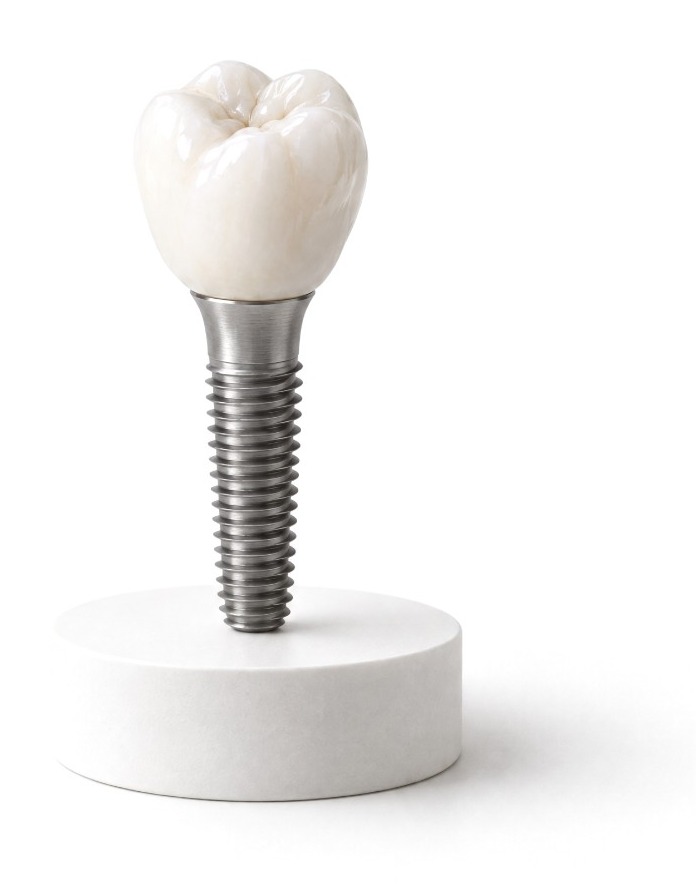
Ceramic Implant System
Ceramic Dental Clinic provides the best possible care to restore our patients' dental health and the joy of chewing.

Honest Care Without Overtreatment
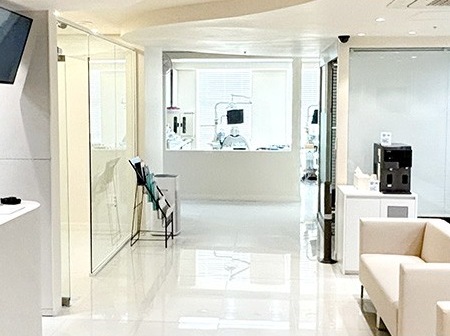
Ceramic Dental Clinic is an honest clinic that provides only the treatment you truly need, based on precise diagnosis.
Practicing in Nonhyeon-dong, Gangnam-gu, since 2005
Based on the dental care experience we have built, we will repay your trust with responsible care and satisfying results.
Advanced Equipment System
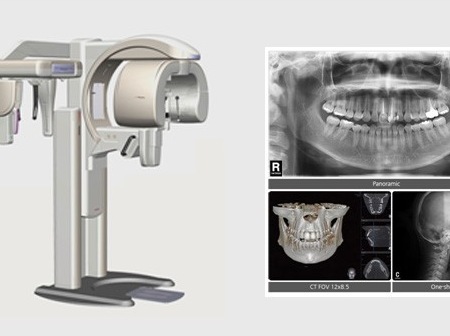
Ceramic Dental Clinic uses equipment such as high-precision 3D CT, digital panoramic X-rays, and cephalometric X-rays to precisely analyze and treat not only the teeth but also the condition of the gum bone.
Thorough Sterilization System
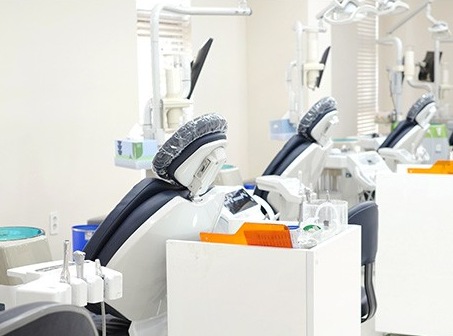
Ceramic Dental Clinic has a thorough sterilization system in place. It helps prevent secondary infection after implant surgery and supports faster recovery.
Outstanding Esthetics and Durability
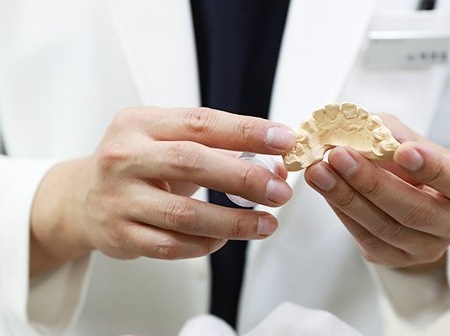
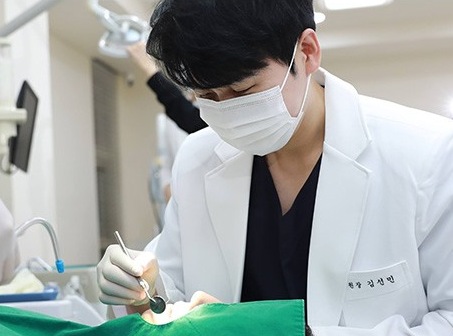
Our prosthetics, made by skilled dental technicians and carefully checked by our medical team, offer outstanding esthetics and durability, giving you results as natural as your own teeth
Attentive Aftercare System
The lifespan of an implant depends on care after treatment, and with good care it can be used semi-permanently. In addition to your own oral care, regular dental checkups are essential.
Ceramic Dental Clinic provides careful follow-up care through a structured recall system.
FAQ
Tap a question to see the answer.
Does it matter who places the implant?
Dr. Ilseop Ahn, a board-certified specialist in periodontics and integrated dentistry, diagnoses the condition of your gums and bone himself and takes responsibility for the whole process, from placing the implant to the crown and follow-up care.
What do you check before placing an implant?
With a CT scan we check the height and thickness of the bone and the distance to the nerve and the maxillary sinus, and we look at the surrounding teeth, gums and bite as a whole. If the gums are inflamed, we treat them first, and if there is not enough bone, we plan a bone graft as well.
How does treatment proceed?
The order is examination and treatment planning → implant placement → a waiting period until the bone and implant bond stably → impressions and attaching the crown → regular check-ups.
How do I chew while waiting after the implant is placed?
For front teeth we make a temporary tooth for appearance, and for back teeth we ask you to chew on the other side. It is important not to chew on that area until the implant has bonded stably with the bone.
Are different crown materials used for front and back teeth?
For back teeth, which take strong chewing forces, we mainly use durable zirconia, and for front teeth, where appearance matters, we mainly use natural-looking materials such as all-ceramic. For front teeth in particular, the crown is made with the gum line and the color and shape of the surrounding teeth in mind, and Dr. Ilseop Ahn handles the crown stage himself.
What are guided (navigation) implants and same-day implants?
A guided (navigation) implant is placed using a guide after the position and angle are planned in advance from a CT scan and an intraoral scan. A same-day implant is placed at the same time as the tooth is extracted, and is done only when the bone condition and initial stability are sufficient. For both methods, we check whether they are possible with a CT scan.
Is anything different for patients aged 65 or older?
In Korea, people aged 65 or older can receive implant treatment covered by National Health Insurance. There are criteria for eligibility and the number of implants, so we check whether insurance applies during the consultation.
Can I have a bridge instead of an implant?
If the teeth on both sides already have large restorations or surgery is a burden, a bridge can be considered. However, a bridge requires reducing the teeth on both sides to connect them, so we decide on the right treatment after checking the condition of your teeth.
Do you sometimes plan implants together with orthodontics?
If a tooth has been missing for a long time, the neighboring teeth may tilt or the opposing tooth may drop down, changing the space and the bite. In such cases we also consider straightening the teeth with orthodontics before placing an implant, or closing the space with orthodontics so that no implant is needed.
How should I care for an implant afterwards?
Implants do not get cavities, but the surrounding gums can become inflamed. If you notice swelling, bleeding or looseness, it needs to be checked, and it is important to keep caring for the area around the implant with regular check-ups and scaling.
Does the surgery hurt?
It is done under local anesthesia. For a few days after surgery there may be pain or swelling, and we prescribe medication when needed.
How long does treatment take?
It depends on the condition of the bone and whether a bone graft is needed. After a CT scan, we give you an estimated period based on your condition.
Can I get implants if I have diabetes or high blood pressure?
Treatment is possible depending on how well the condition is controlled. Please tell us in advance about the medications you take and your current health.
Which implant system do you use?
We use Osstem implants.
Is an implant possible with a bone graft?
We check how much bone is lacking and your general health, and judge whether an implant is possible with a bone graft. When needed, the implant is placed after the bone graft.
When is a sinus bone graft done?
It may be done when there is not enough bone in the upper back-tooth area, and the method is decided after checking the bone height and the position of the maxillary sinus with a CT scan. After sinus surgery, please avoid blowing your nose hard, using straws and strenuous exercise for a while.
Side effects and limitations
- For a few days after surgery there may be pain, swelling or bruising.
- In some cases the implant does not bond with the bone and has to be placed again.
- Results can vary with general health factors such as smoking and diabetes.
- If the surrounding gums are not cared for, peri-implantitis can develop.
Treatment results and side effects may vary from person to person.