
Doctors · Orthodontics · TMJ & Teeth Grinding
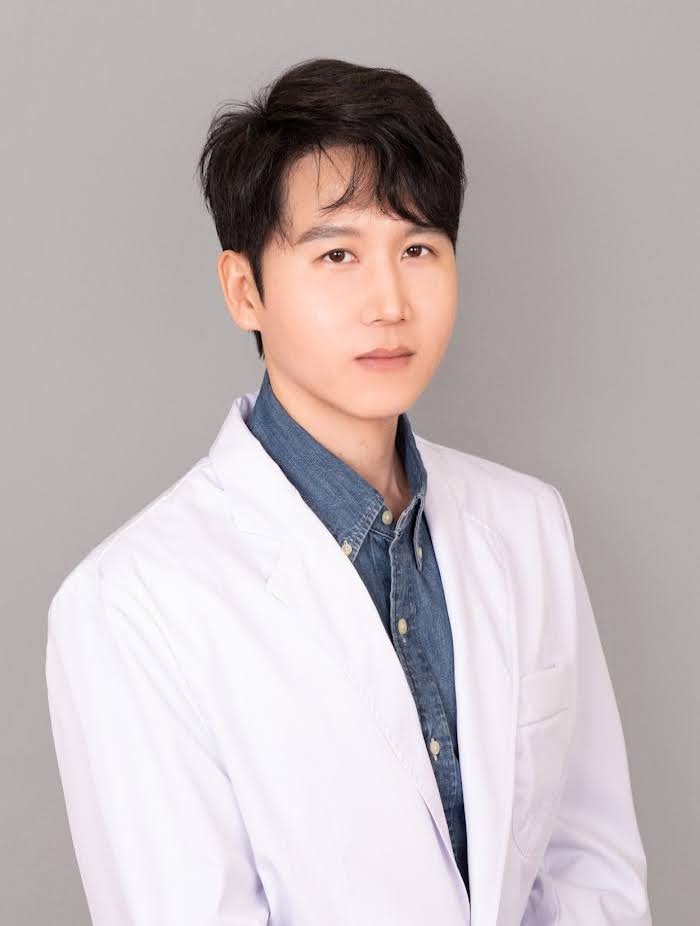
Dr. Sunmin Kim, Head Dentist
Sunmin Kim, DDS, PhD · Board-certified Orthodontist
Before moving any teeth, I first explain what can be changed in your face, jaw and gums, and what is better left as it is.
Former International Committee member, Korean Association of Orthodontists · Papers & conference presentations 10 · Experience 16 years(since dental license)
At a glanceWhat kind of dentist is Dr. Sunmin Kim?
Dr. Sunmin Kim is the head dentist of Ceramic Dental Clinic, a board-certified orthodontist, and a certified orthodontist of the Korean Association of Orthodontists. He earned a Master of Dental Science at Seoul National University and a PhD in Dental Science at Tokyo Medical and Dental University, where he also completed his orthodontic residency. He took part in research measuring the orthodontic forces on teeth and has published 2 journal papers. At Ceramic Dental Clinic he treats orthodontics and TMJ problems and teeth grinding. In veneer consultations, when a short course of front-teeth orthodontics would be the better option, he tells you the time and method right away.
A word from the doctor
"I don't think orthodontics is a treatment that looks only at the teeth."
Orthodontic treatment means visiting the same clinic for 1 year at the shortest and 2–3 years at the longest. So on the day of the first consultation, I first ask myself whether I can take responsibility for this patient and see the treatment through to the end. I think concretely about whether the process is realistic, because I need to be confident that I can give the patient the result they want.
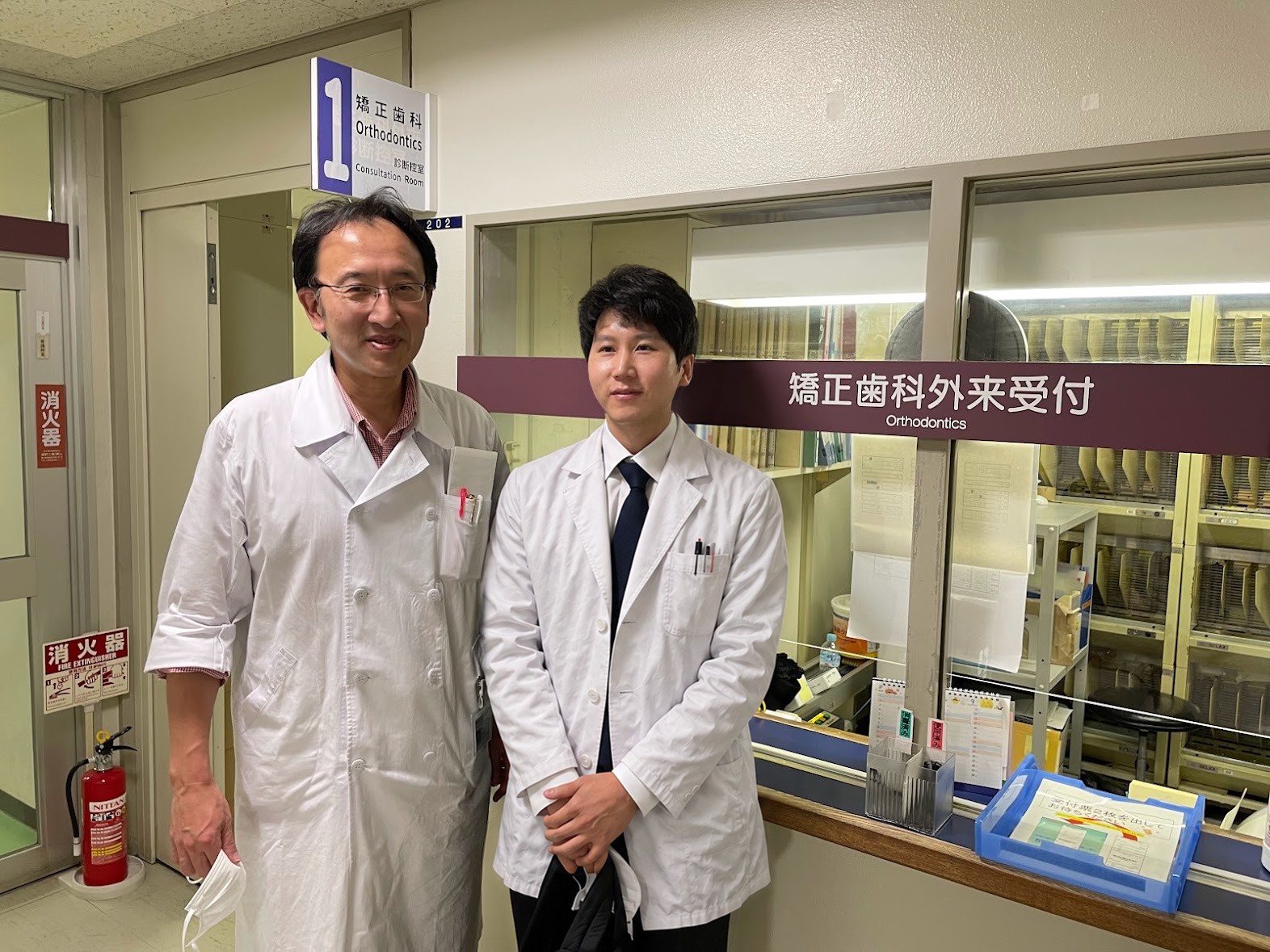
After finishing my master's degree at Seoul National University, I went to Tokyo Medical and Dental University for my PhD and orthodontic residency. The professors there reviewed patient records again and again before treatment. Even on a day when we placed a single appliance, we had to be able to explain why it went in that position, and if we could not, we had to prepare again. There I learned the right attitude toward patients before technique: not to rush, to say only what has been checked, and to see the patients in my care through to the end myself.
I still treat patients the way I learned then. From the first consultation to the day the braces come off and the retainers are checked, I see you myself. I will tell you honestly from the start what can be done and what is better not to do.
Areas of practice
Orthodontics
I take charge from the first consultation to the finish. For the gum side of adult orthodontics, I work together with Dr. Ilseop Ahn.
TMJ & Teeth Grinding
I check the jaw joint before orthodontics and treat TMJ problems and teeth grinding.
Veneer consultations
When veneers alone would require a lot of tooth reduction, I explain the time and method of partial front-teeth orthodontics on the same day.
Credentials & degrees
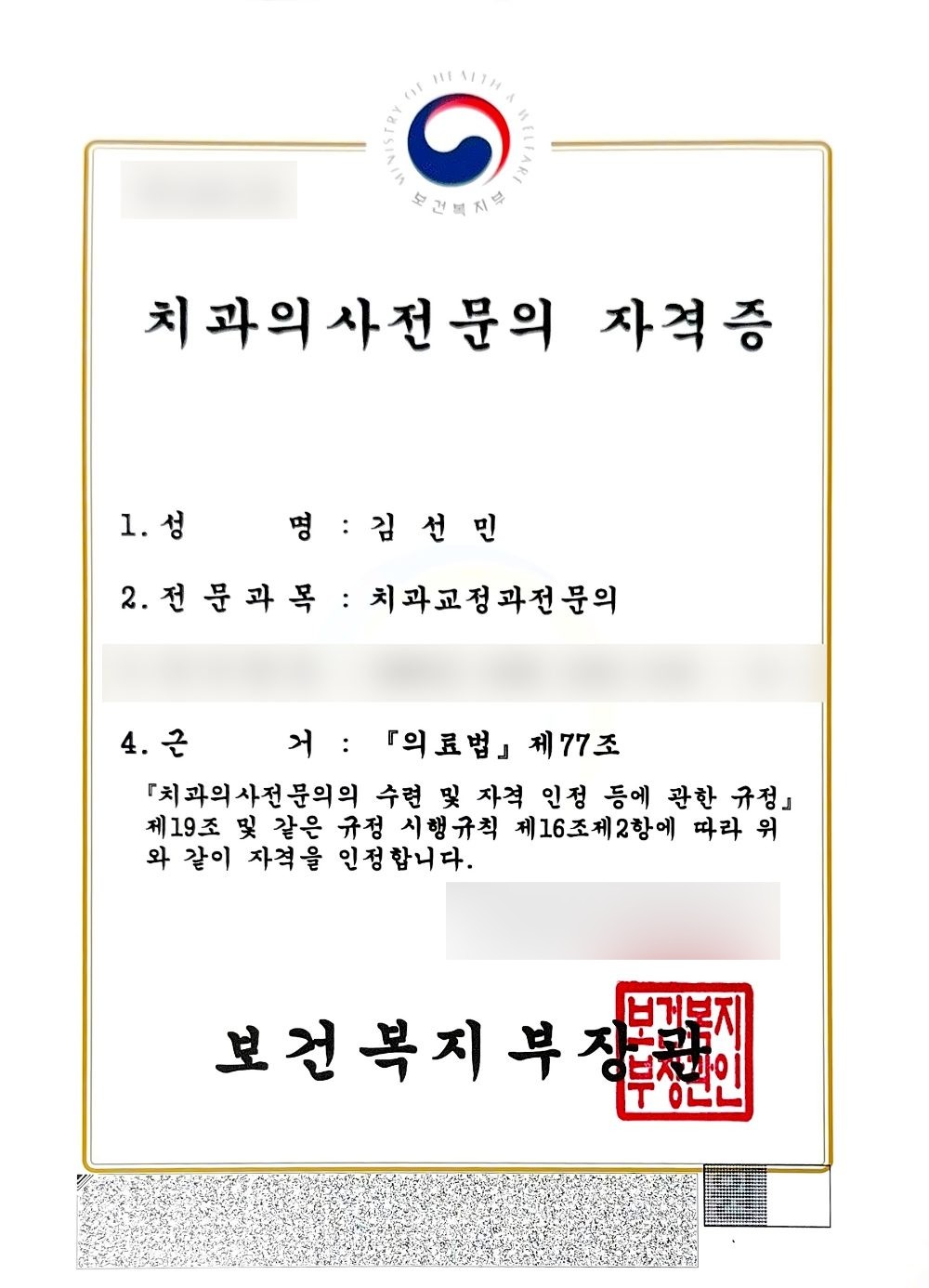
Board-certified Orthodontist
Ministry of Health and Welfare · date of birth and number hidden
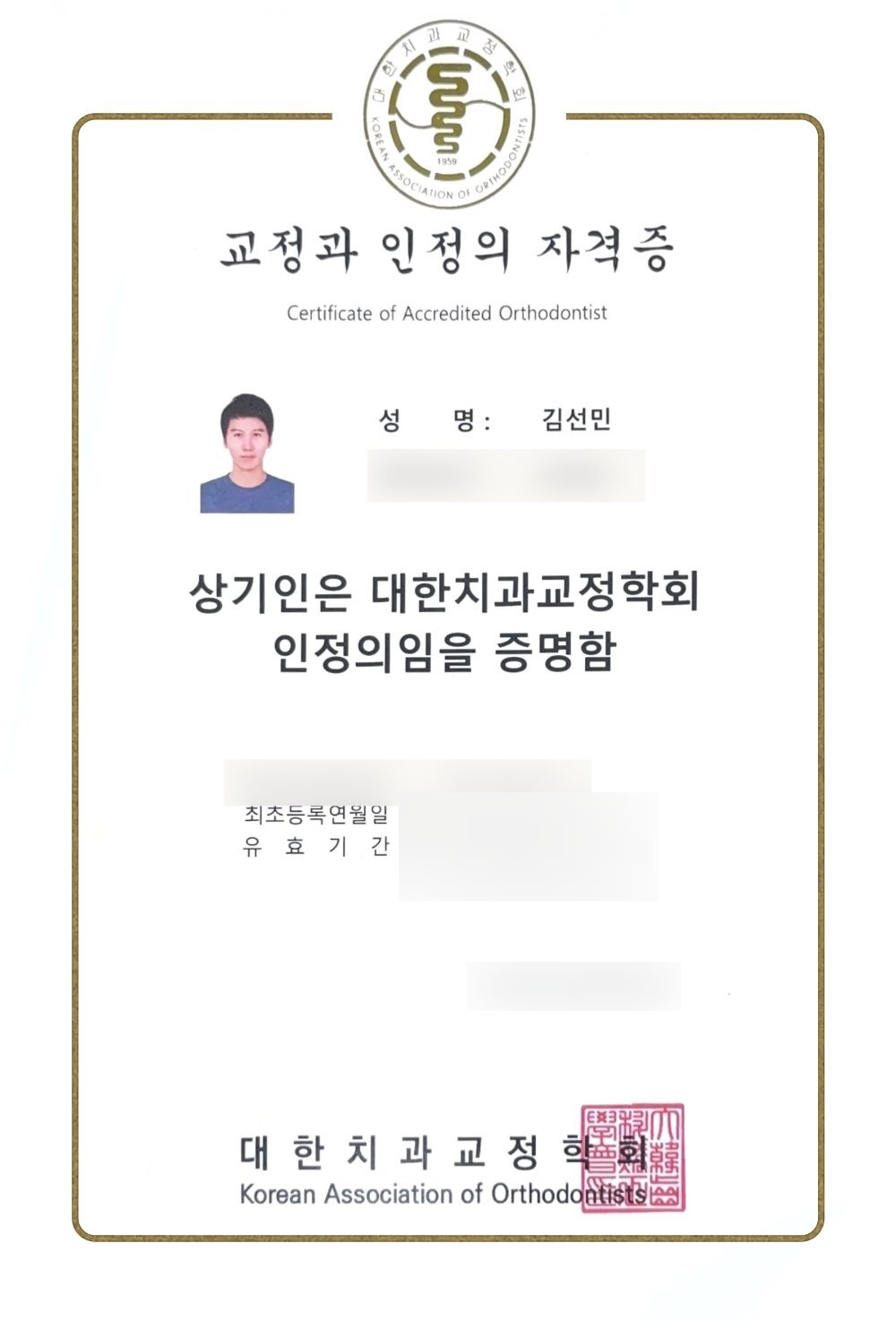
Certified Orthodontist, Korean Association of Orthodontists
Korean Association of Orthodontists · license number hidden
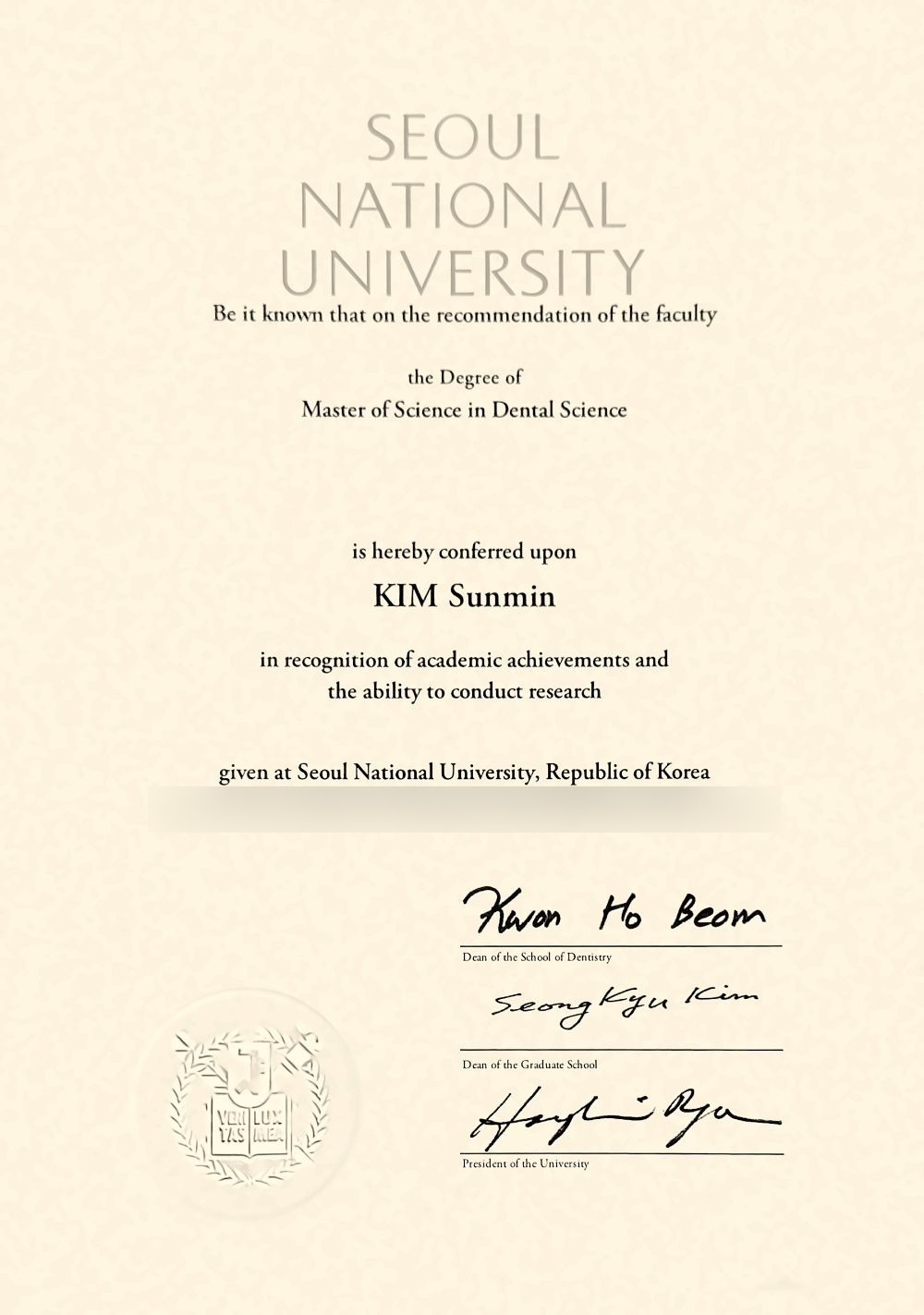
Master of Dental Science, Graduate School of Dentistry, Seoul National University
Master of Science in Dental Science
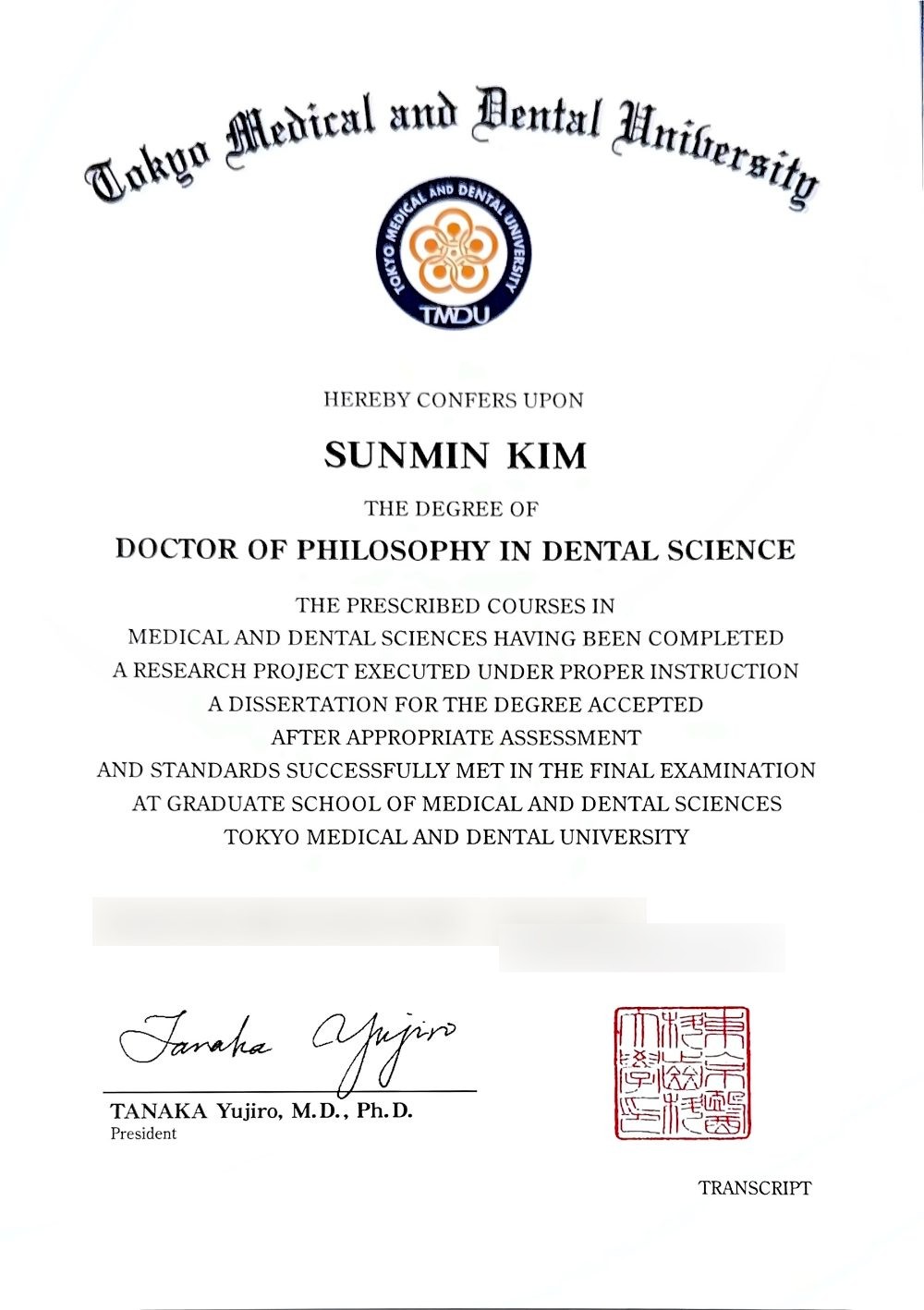
Doctor of Philosophy in Dental Science, Graduate School, Tokyo Medical and Dental University (now Institute of Science Tokyo)
Doctor of Philosophy in Dental Science · now Institute of Science Tokyo
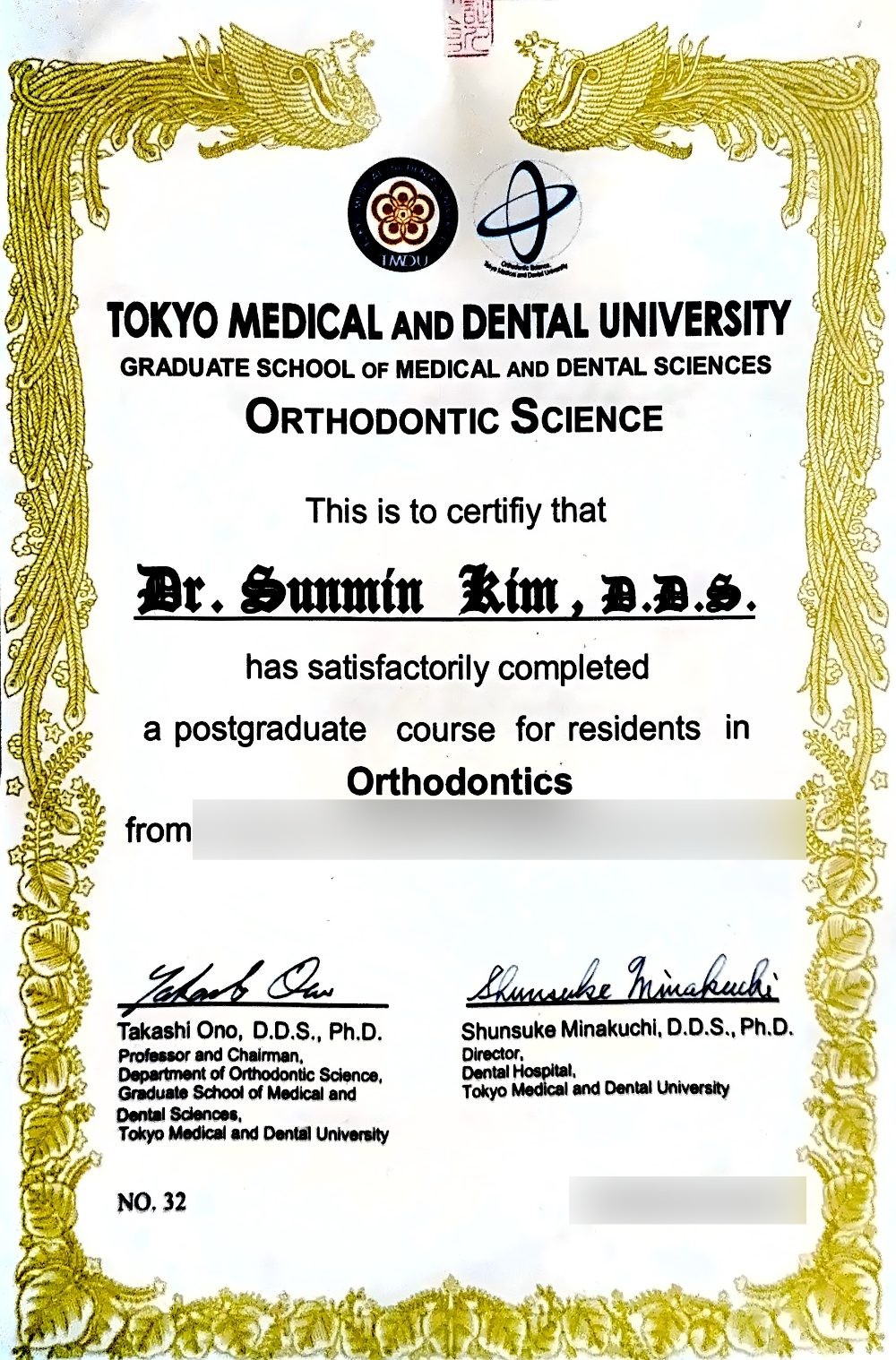
Completed orthodontic residency, Department of Orthodontics, Tokyo Medical and Dental University
Orthodontic Science, postgraduate course for residents
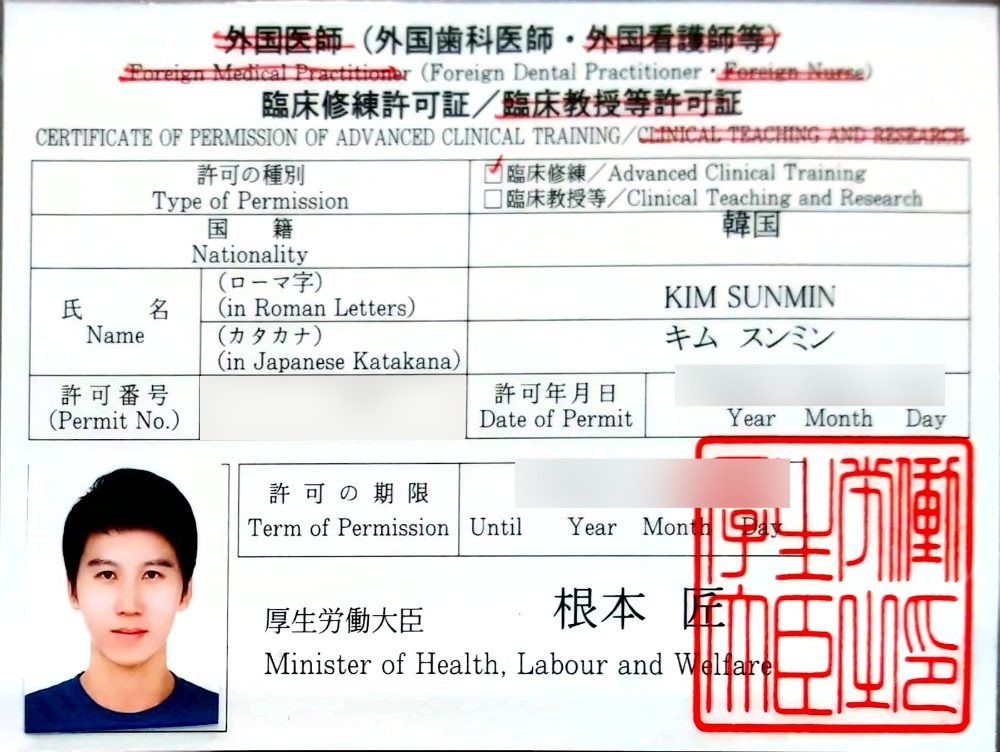
Clinical license for foreign dentists
Ministry of Health, Labour and Welfare, Japan
Training
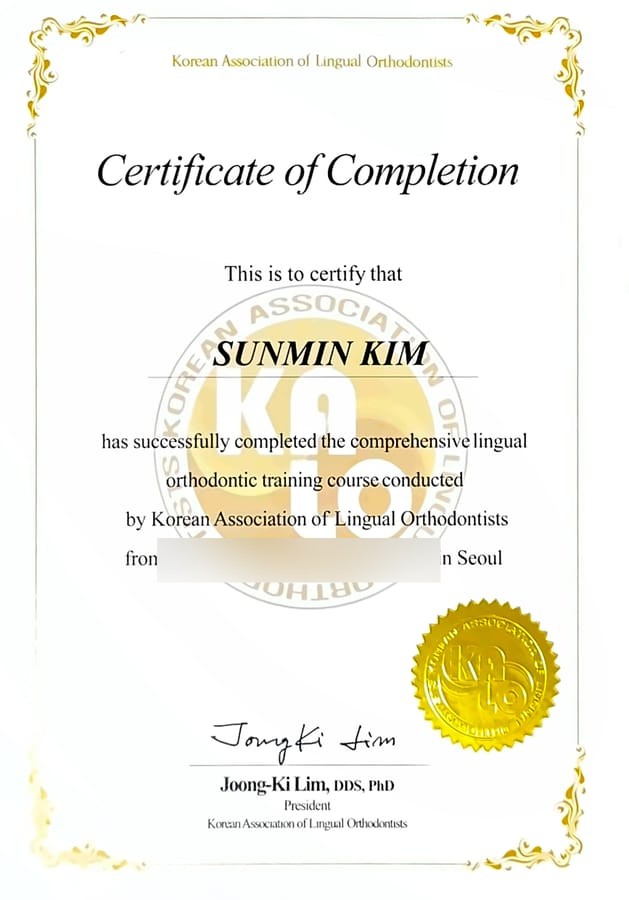
Lingual orthodontics course, Korean Society of Lingual Orthodontics
2021–2022
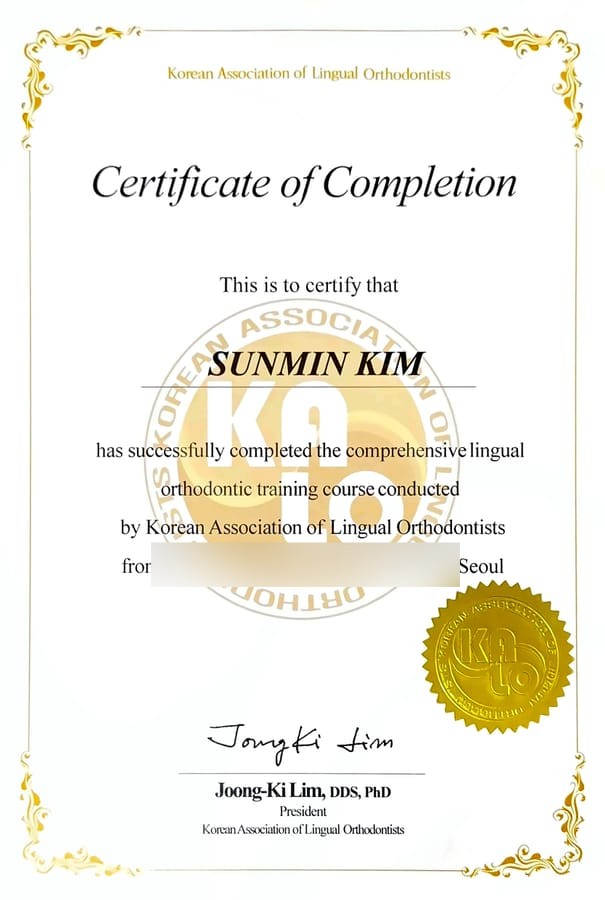
Lingual orthodontics course, Korean Society of Lingual Orthodontics
2020–2021
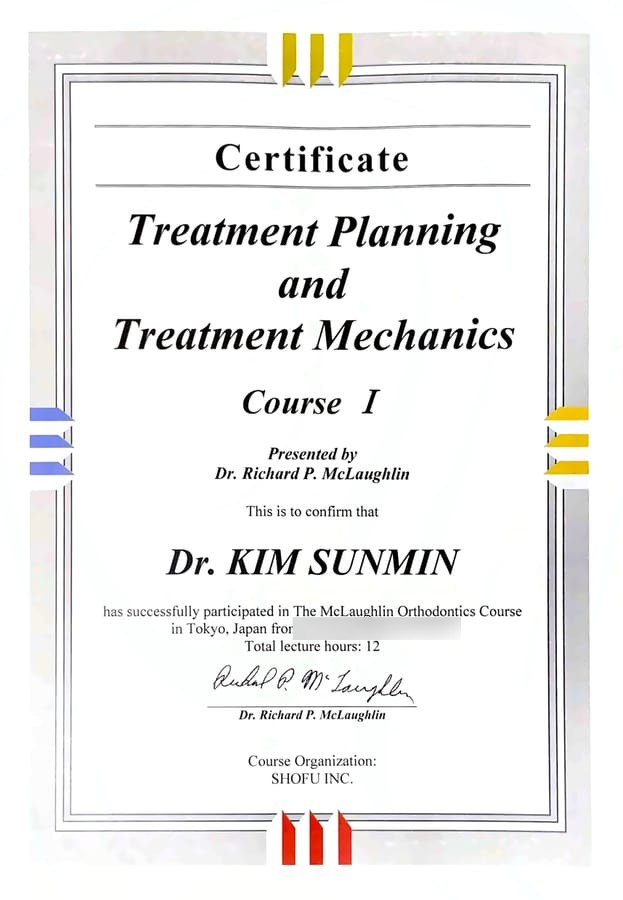
McLaughlin Orthodontic Course Ⅰ
2019 · Tokyo
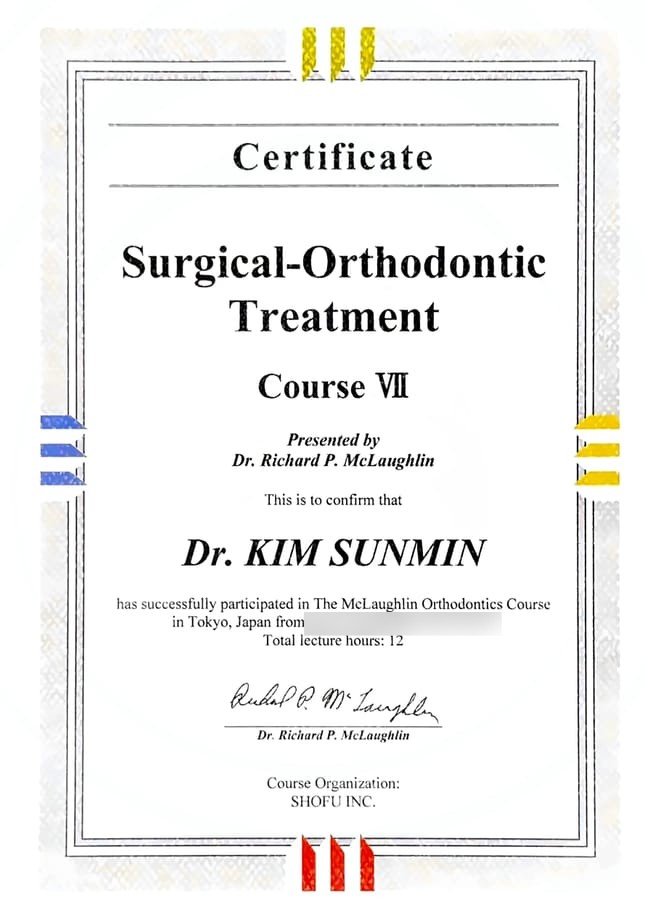
McLaughlin Orthodontic Course Ⅶ
2018 · Tokyo
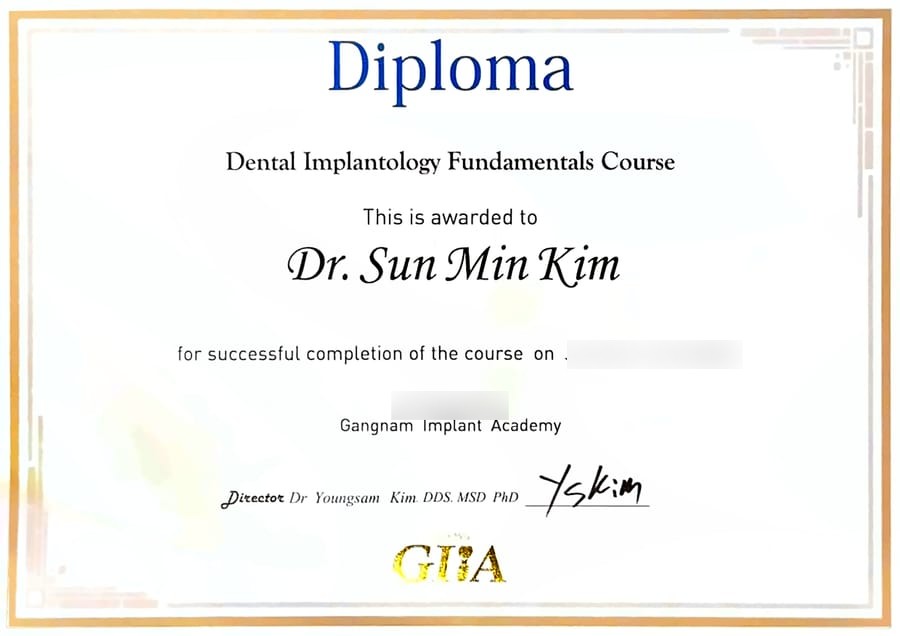
GIIA implant basic course
2022
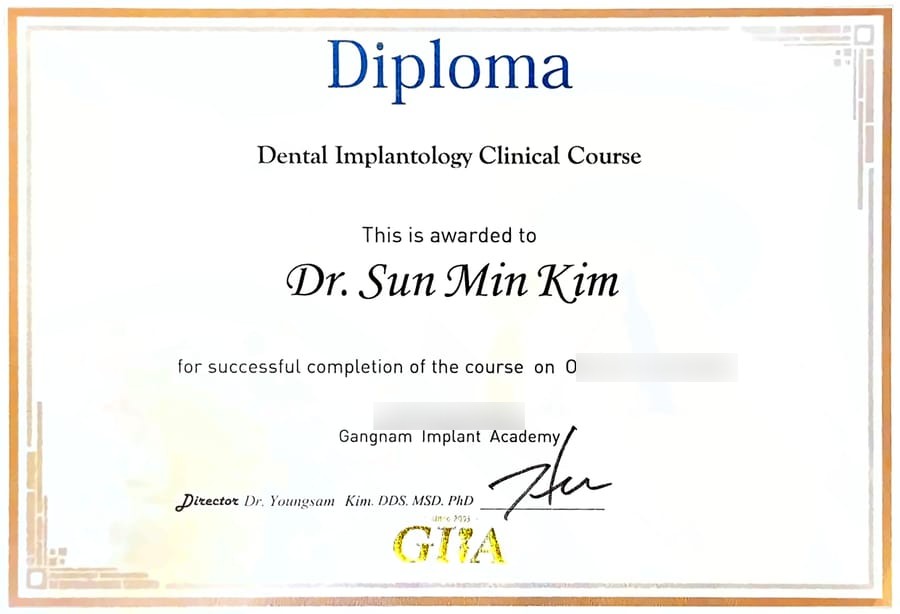
GIIA implant clinical course
2022
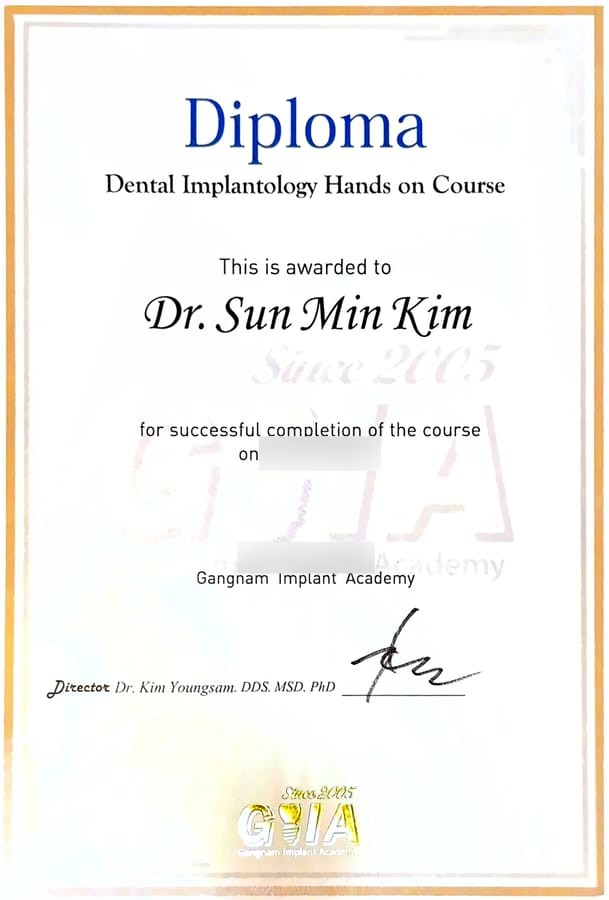
GIIA implant hands-on course
2022
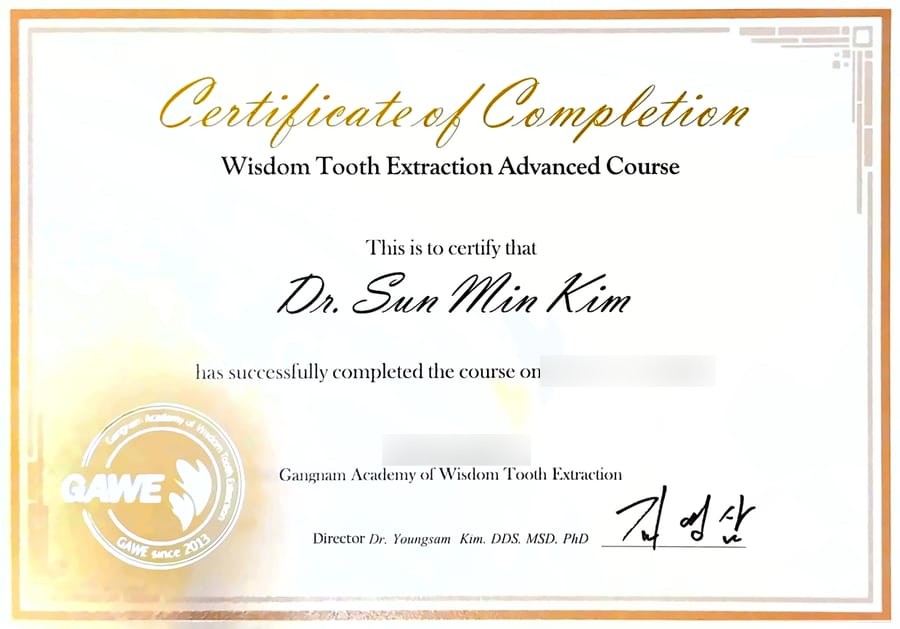
GAWE wisdom tooth extraction course
2022
Academic activities
- Former International Committee member, Korean Association of Orthodontists
- Regular member, Korean Association of Orthodontists
- Regular member, Japanese Orthodontic Society · conference presentation (2019)
- Conference presentation, Japanese Society for Dental Materials and Devices (2019)
- Member, Bareuni Volunteer Association
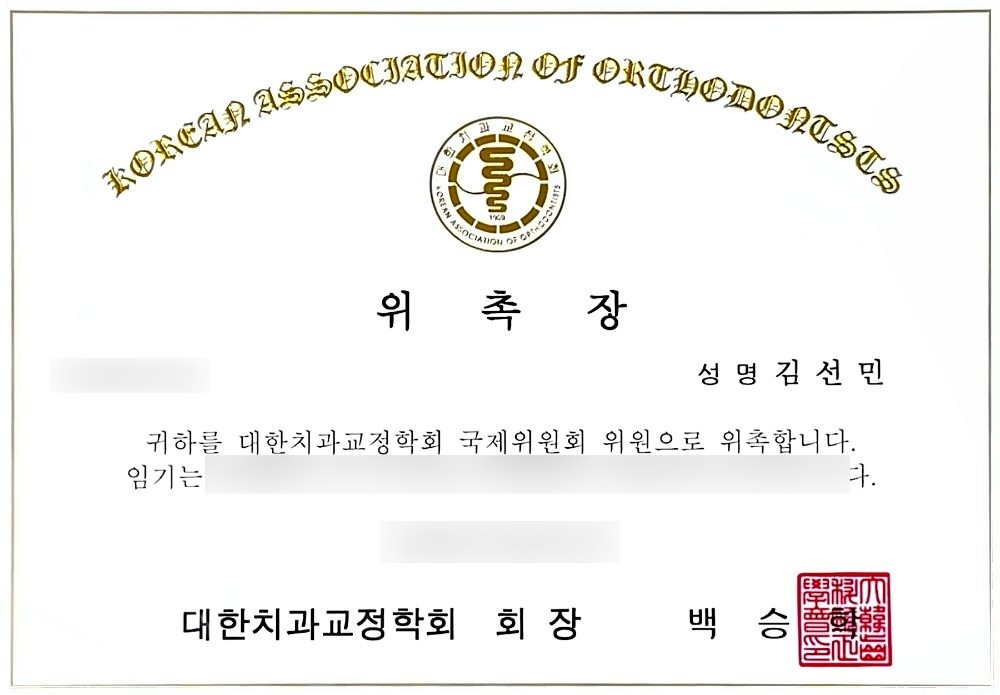
Letter of appointment, International Committee member, Korean Association of Orthodontists
Korean Association of Orthodontists
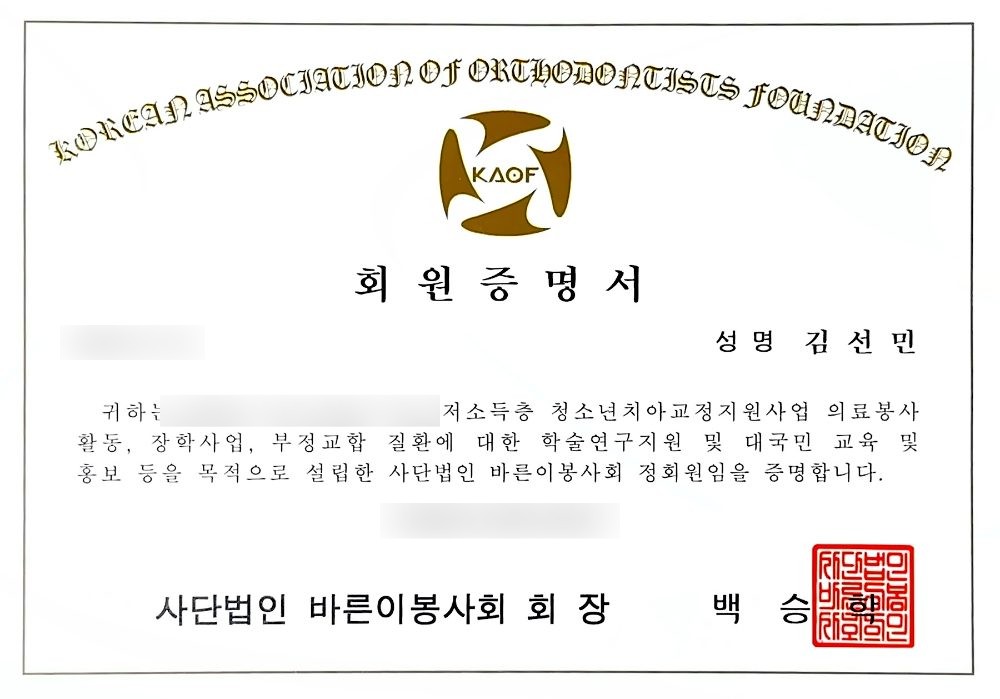
Membership certificate, Bareuni Volunteer Association
Bareuni Volunteer Association (incorporated association)
Research story
Measuring the forces on teeth
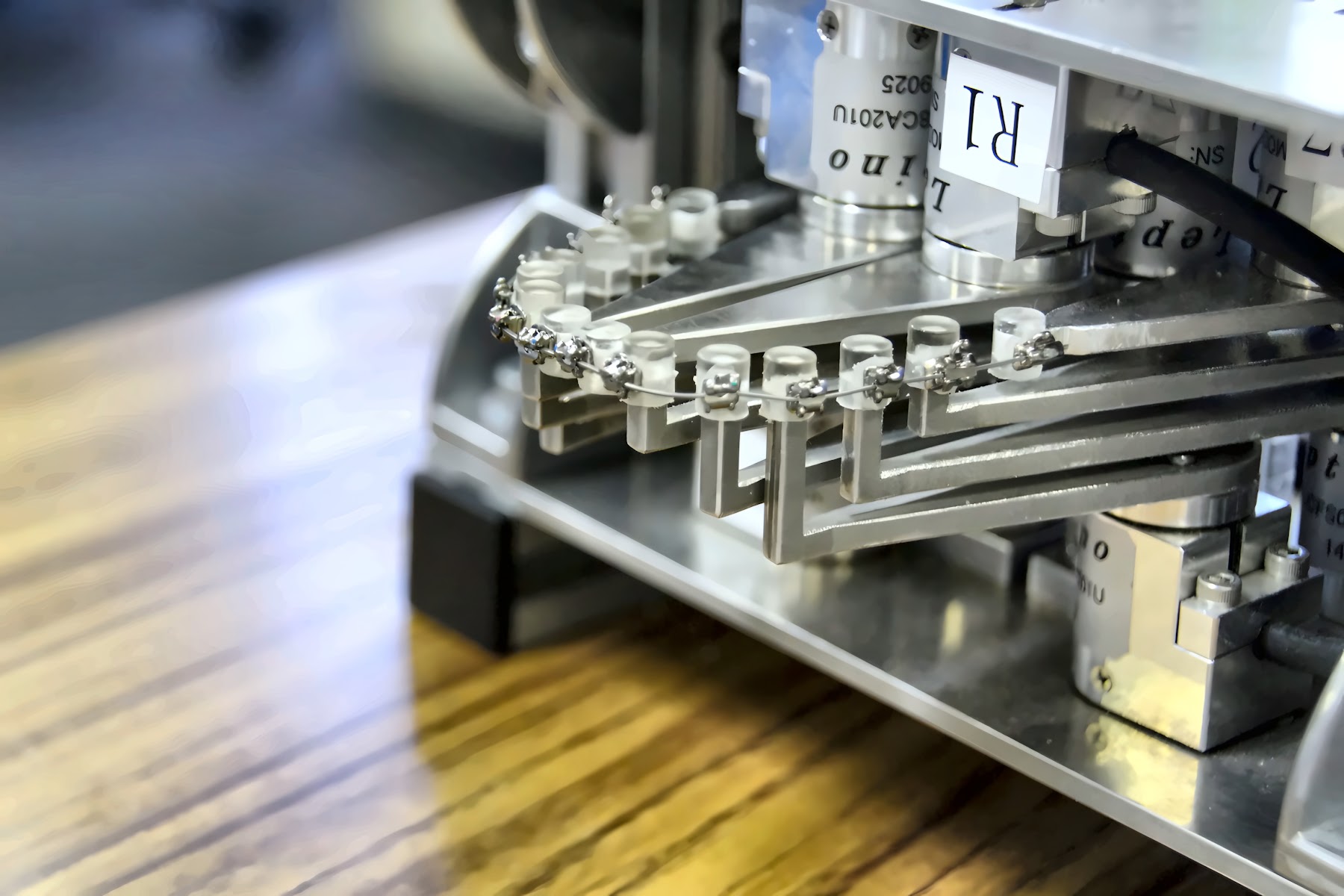
Even for the same tooth, the force acting on it changes depending on how the wire is tied and which wire is used.
At Tokyo Medical and Dental University, we jointly built a device that measures the force and rotational force acting on each tooth in six directions. With this device, we changed the way the wire was tied, tried several wires with different properties, and measured the differences.
In the experiments, we measured both the force on the tooth and how far the tooth actually moved under that force. We organized these values so that they could later be used in research on clear aligners. Clear aligners also move teeth by applying force, so they can only be designed if you know how far a tooth moves under a given force.
After returning to Korea, this experience led me to take part in joint research between Seoul National University and Korean clear aligner companies. When I choose appliances, wires and tying methods in the clinic today, I still use this research as a reference. This does not mean results are guaranteed.
Papers & conference presentations
Newest first · papers are listed by year of publication · click a cover to enlarge
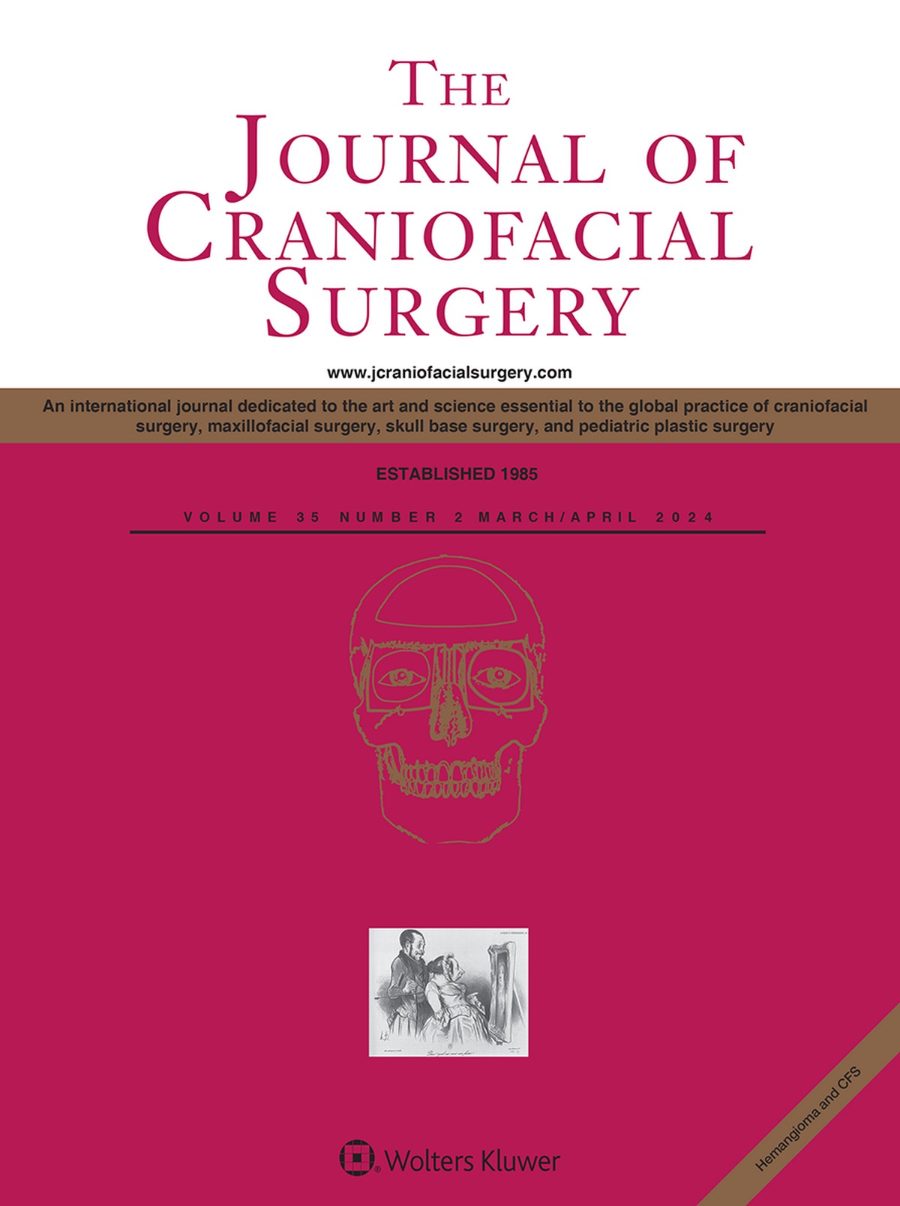
Characterization of Spheno-occipital Synchondrosis Fusion From Preadolescents to Young Adults Using Age and Cervical Vertebrae Maturation Index
Journal of Craniofacial Surgery 35(2) · Prof. Seung-Hak Baek's team, Seoul National University · doi:10.1097/SCS.0000000000009814
What it means for patients · A study on judging when facial bone growth ends. It relates to deciding the timing of orthodontics for children and teens and of underbite treatment.
View original ↗
Influence of different ligation methods on force and moment generation in a simulated condition of the maxillary crowded anterior dentition with linguo-version and rotation
Bio-Medical Materials and Engineering · doi:10.3233/BME-211288
What it means for patients · Even for the same tooth, the force acting on it changes with the way the wire is tied. This is a basis for choosing appliances and tying methods.
View original ↗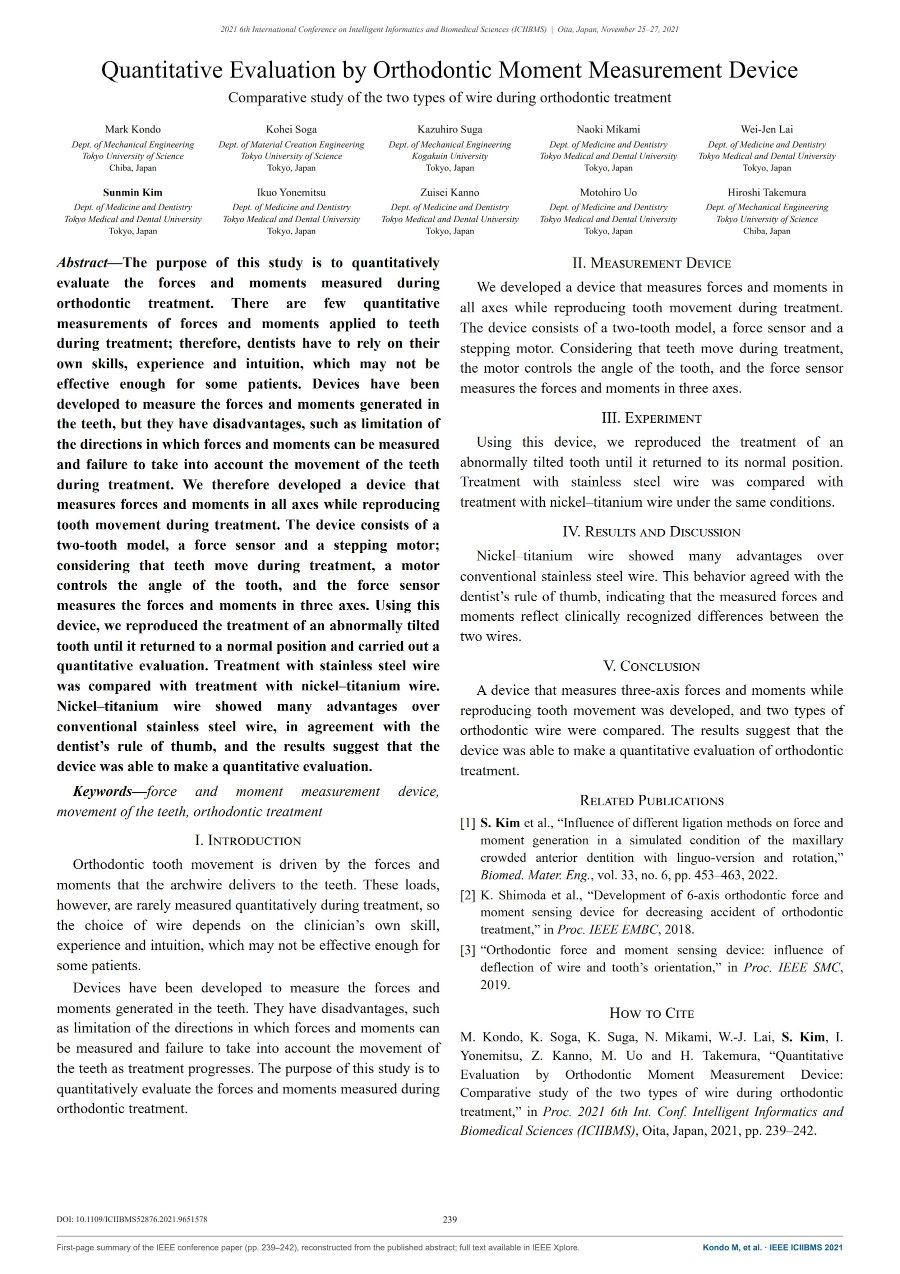
Quantitative Evaluation by Orthodontic Moment Measurement Device: Comparative study of the two types of wire during orthodontic treatment
IEEE ICIIBMS 2021 · Oita, Japan
What it means for patients · Compared the difference in rotational force that two types of wire apply to teeth.
View original ↗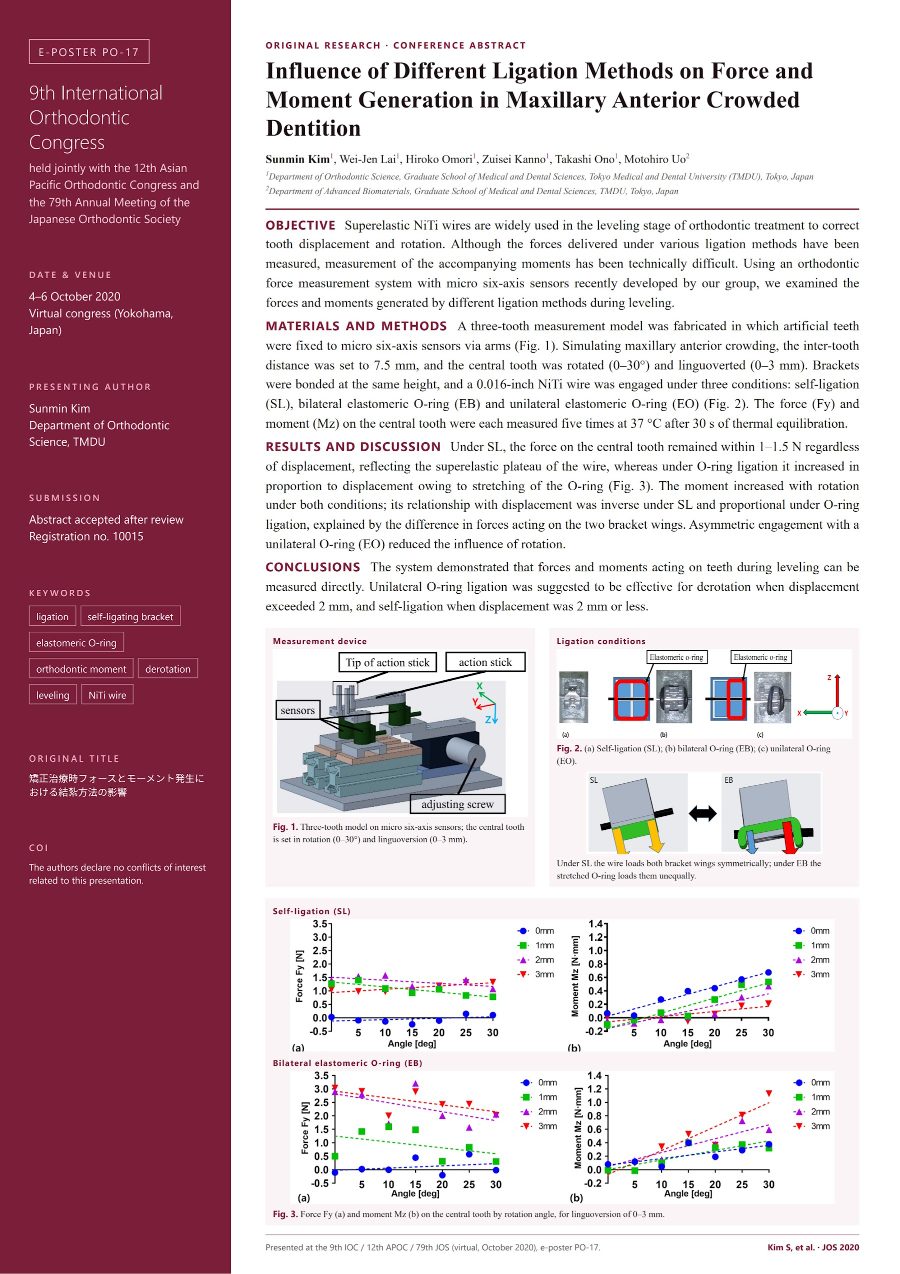
Influence of Different Ligation Methods on Force and Moment Generation in Maxillary Anterior Crowded Dentition
Japanese Orthodontic Society annual meeting
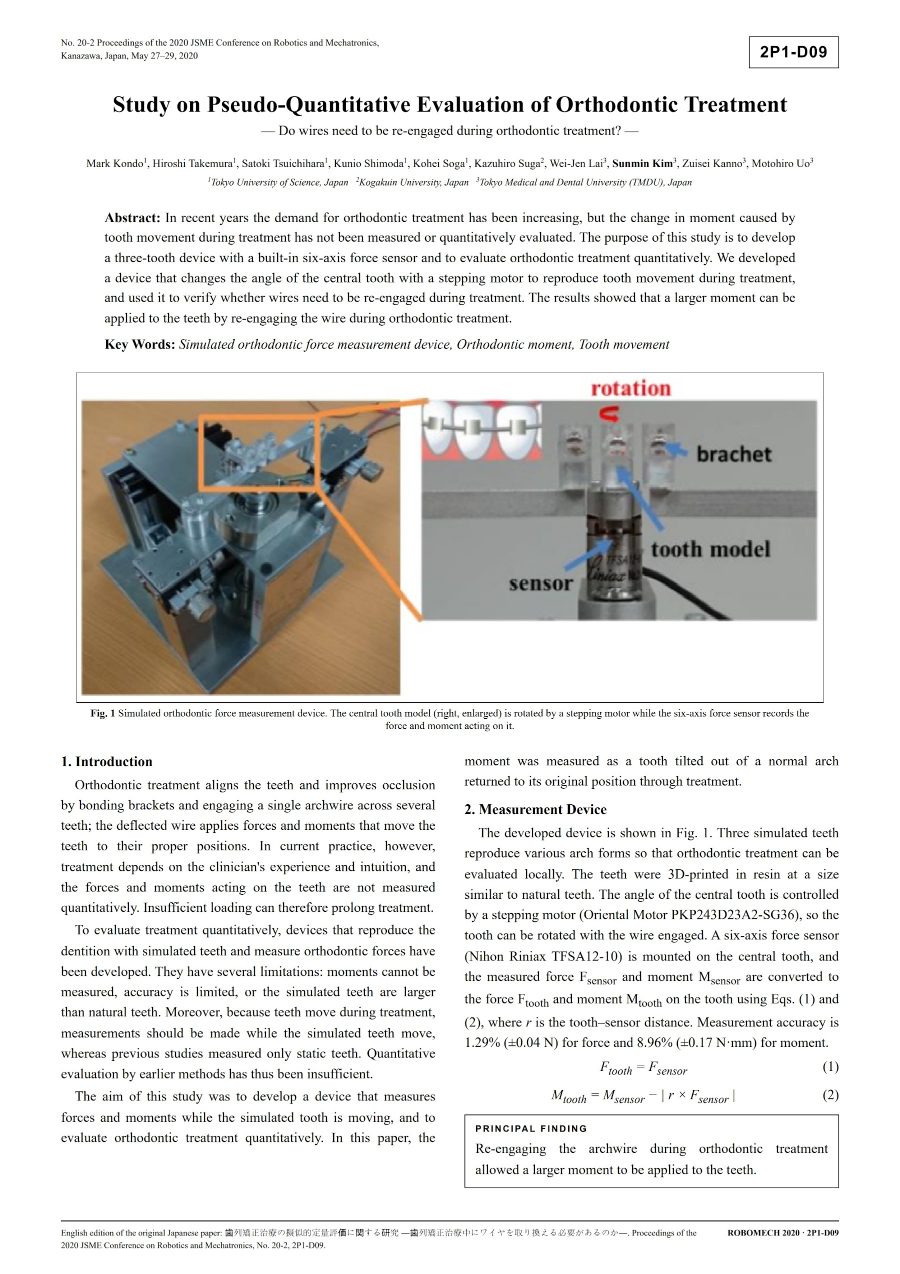
Study on Pseudo-Quantitative Evaluation of Orthodontic Treatment
JSME ROBOMECH 2020 · Kanazawa
What it means for patients · A study that checked with numbers whether the wire needs to be re-inserted during orthodontic treatment.
View original ↗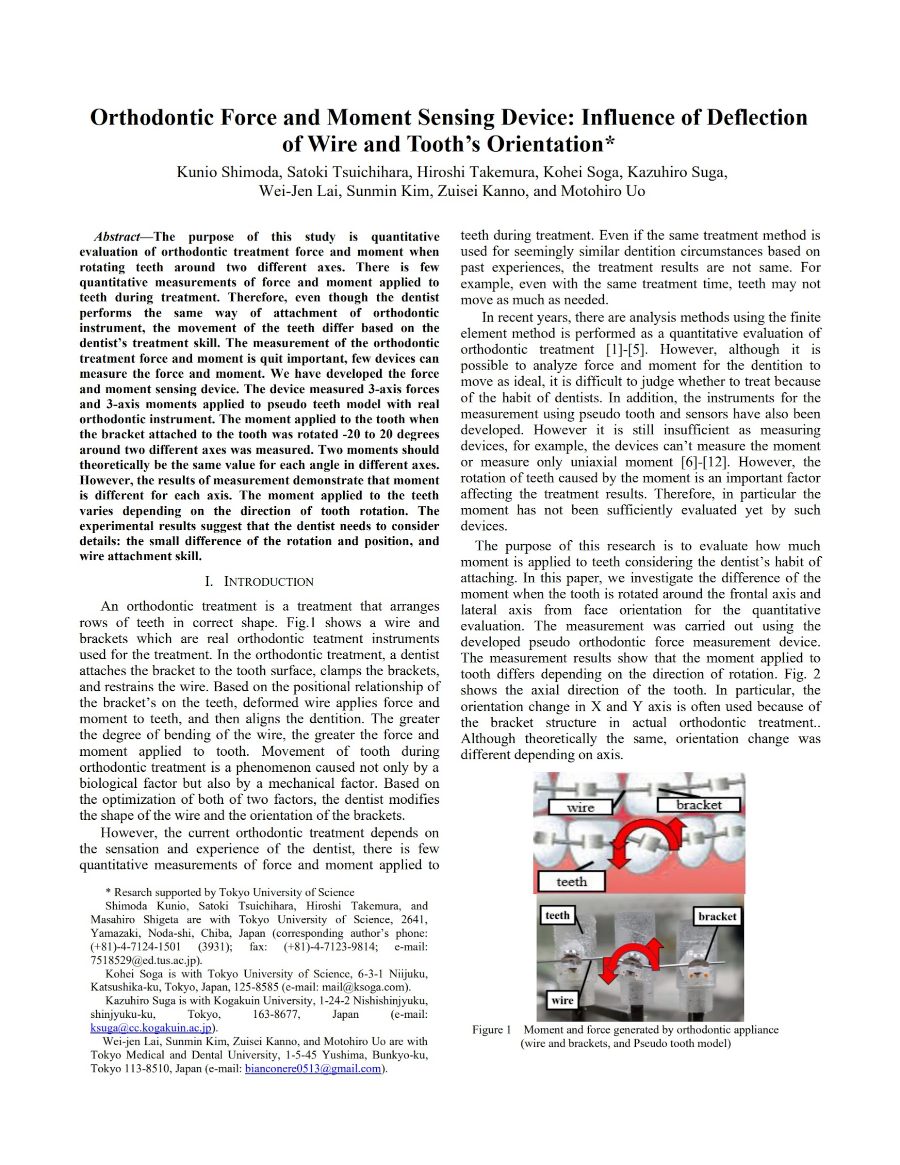
Orthodontic Force and Moment Sensing Device: Influence of Deflection of Wire and Tooth's Orientation
IEEE SMC 2019
View original ↗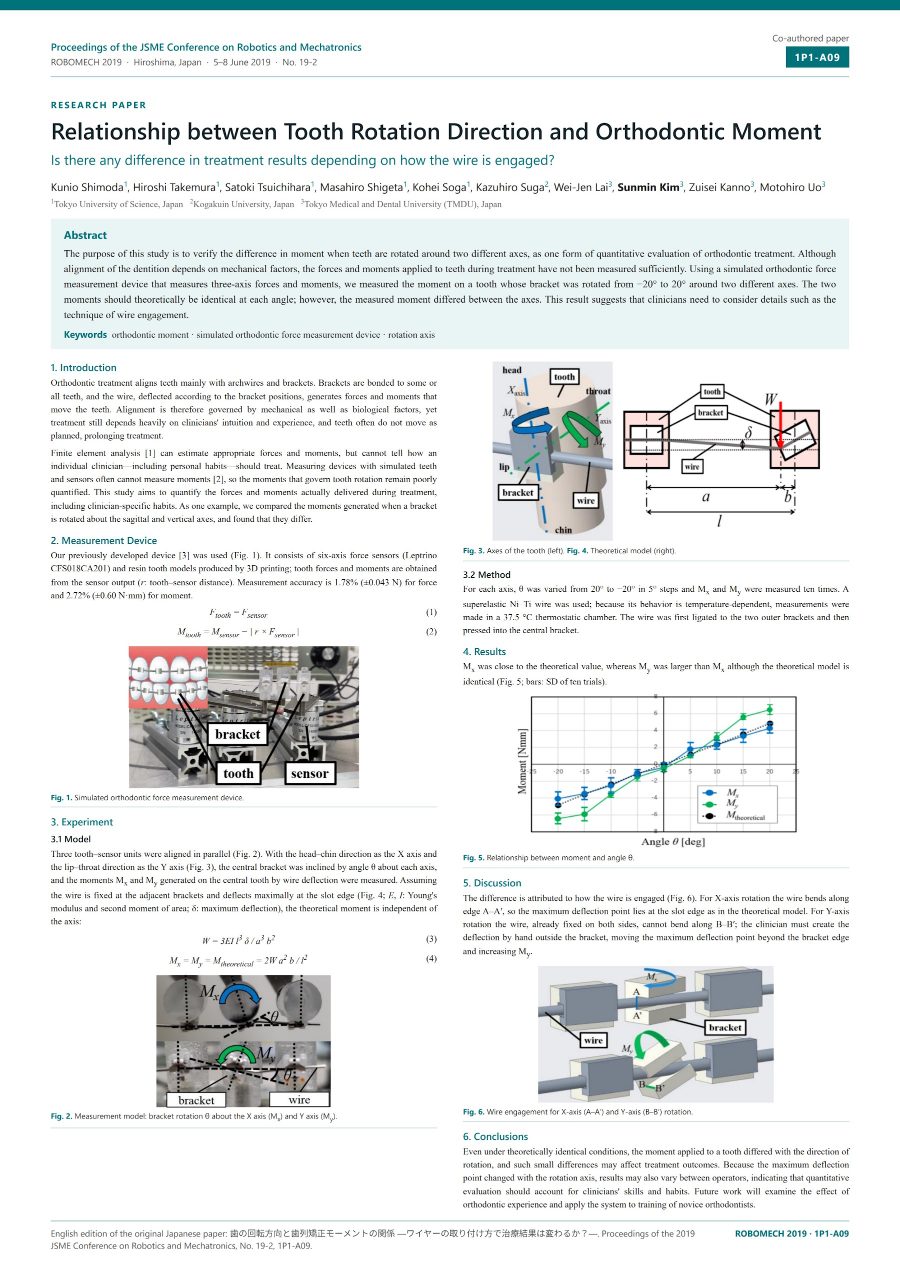
Relationship between Tooth Rotation Direction and Orthodontic Moment
JSME ROBOMECH 2019 · Hiroshima
View original ↗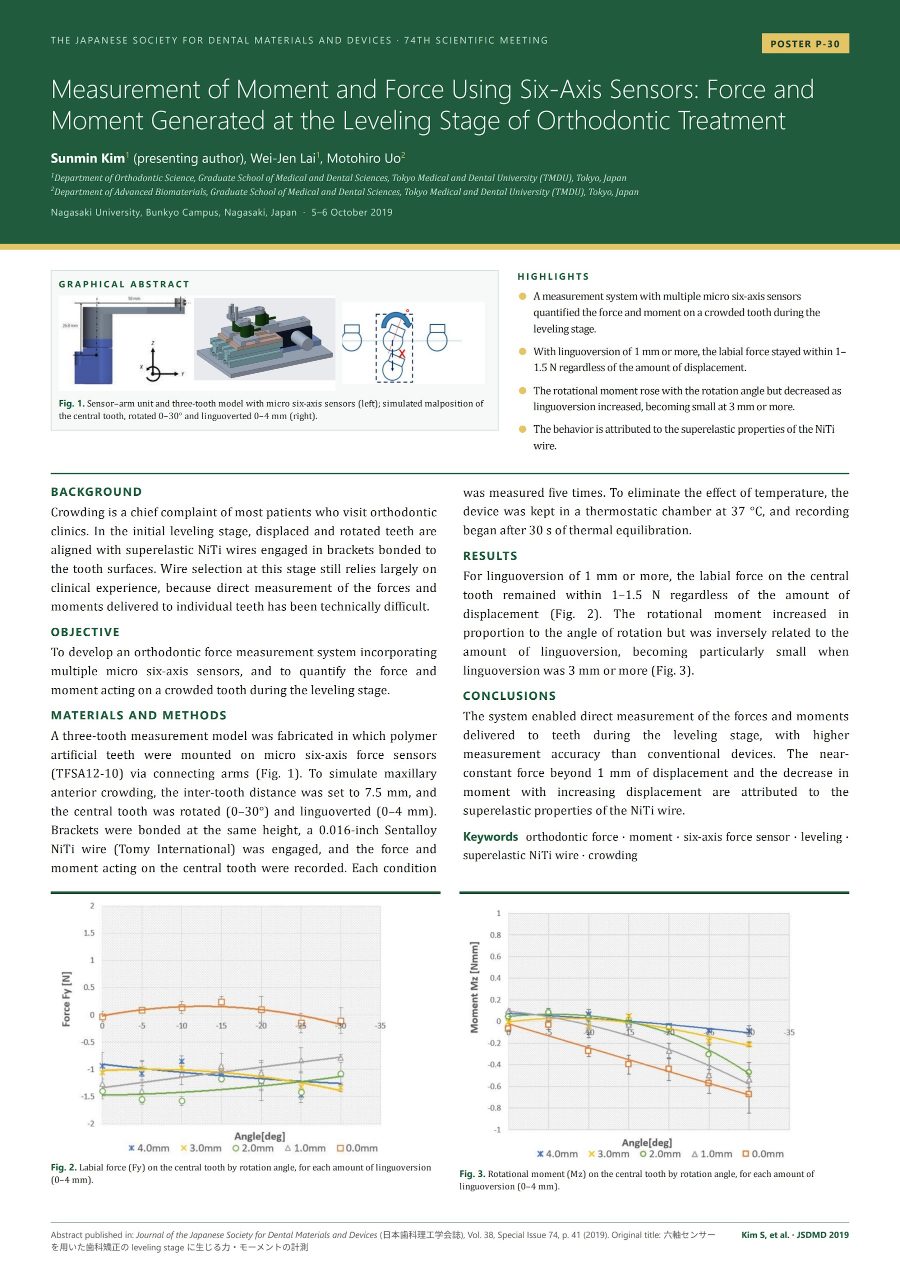
Measurement of Moment and Force Using Six-Axis Sensors at the Leveling Stage of Orthodontic Treatment
Japanese Society for Dental Materials and Devices annual meeting
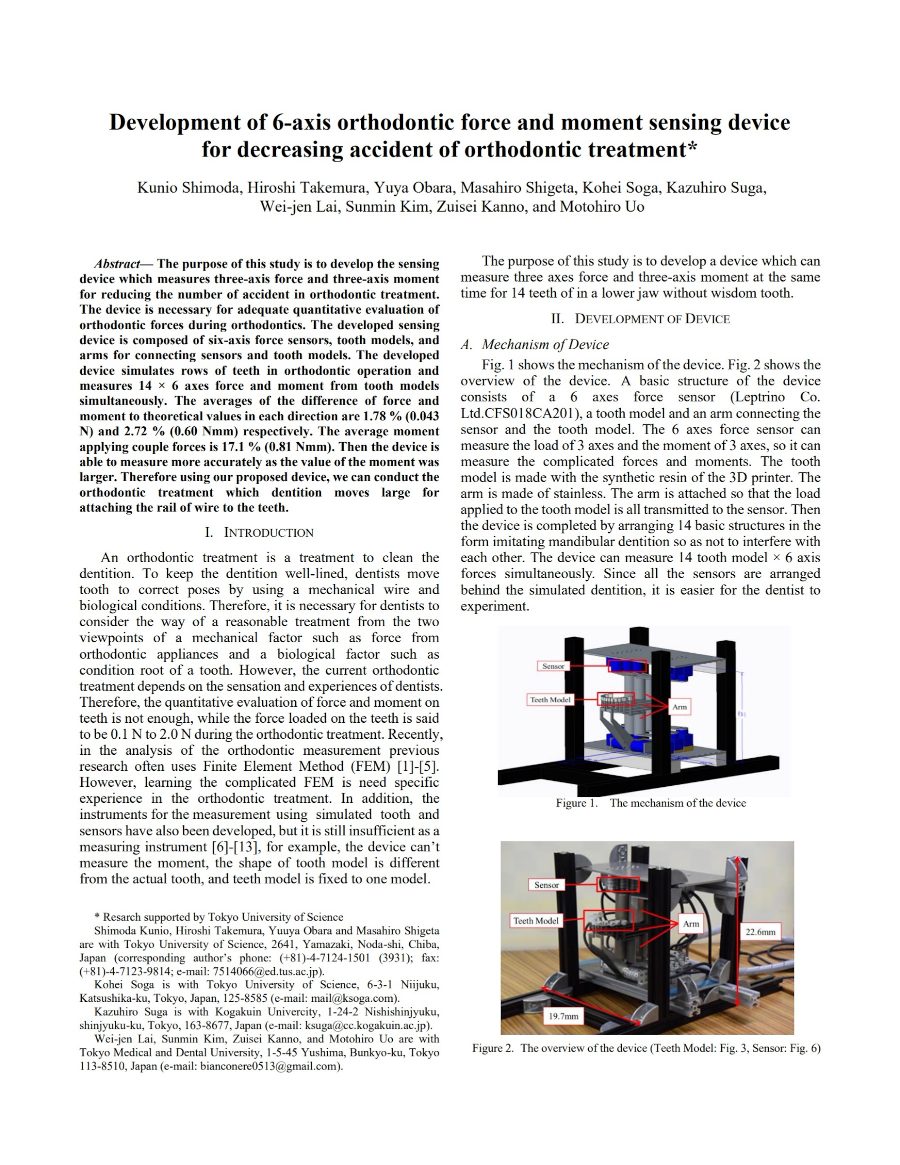
Development of 6-axis orthodontic force and moment sensing device for decreasing accident of orthodontic treatment
IEEE EMBC 2018 · PMID 30440743
What it means for patients · A study that developed a device to measure the force and rotational force on teeth during orthodontic treatment.
View original ↗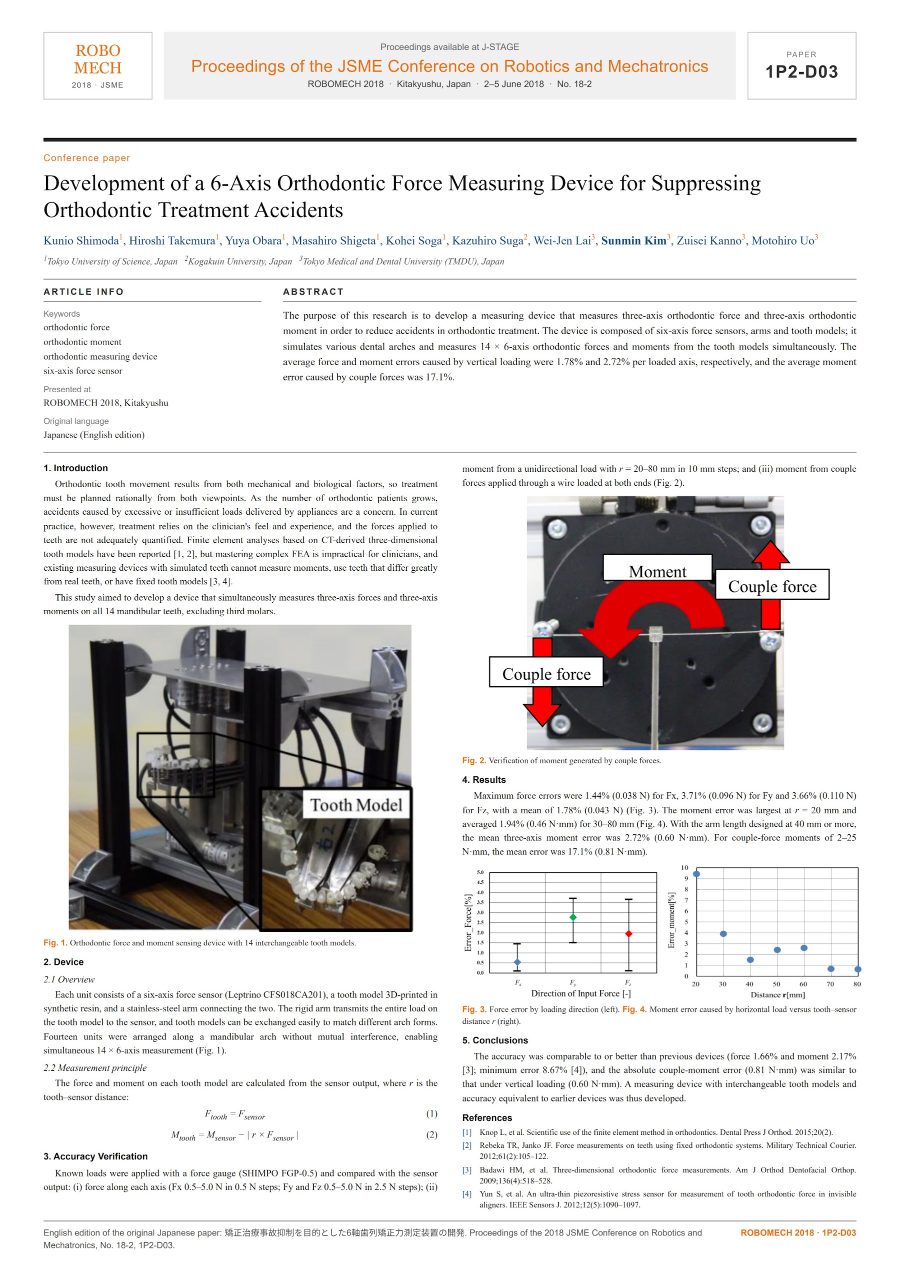
Development of 6-Axis Orthodontic Force Measuring Device for Suppressing Orthodontic Treatment Accidents
JSME ROBOMECH 2018
Papers with an online original are linked · English titles are taken from the first page in the "paper covers" folder
Japanese & English consultations
Korean
All treatment
日本語
He completed his PhD and orthodontic residency in Japan and consults directly in Japanese.
English
He consults directly in English.
FAQ
Can I receive orthodontic treatment directly from Dr. Sunmin Kim?
How is orthodontics by a board-certified orthodontist different from orthodontics by a general dentist?
What is a certified orthodontist (association certification)?
Can I have my consultation in Japanese?
How is the research used in actual treatment?
Do you also treat TMJ problems?
Does he also see veneer consultations?
Schedule & booking
Dr. Sunmin Kim's clinic days · Mon, Tue, Wed, Thu, Fri, Sat
Written by Dr. Sunmin Kim · Reviewed by Dr. Sunmin Kim · Updated 2026.10.28
ABROAD
Visiting from abroad or living in Korea?
Dr. Sunmin Kim consults with orthodontic patients directly in English.
We see international patients who travel to Seoul and those who live in Korea. Our doctors consult with you directly in English. Read Visiting from abroad for visits, fees and payment, or message us on WhatsApp.