Last reviewed October 29, 2026 · Dr. Ilseop Ahn (board-certified periodontist, specialist in integrated dentistry)
At a glance
Good for
Receded gums with exposed, sensitive roots, or gums that keep receding
Treatment flow
Find and control the cause → measure the recession depth → gum graft only where needed
Duration and limits
How much can be covered depends on how much gum and bone remain between the teeth. We tell you the expected coverage before surgery
Details
Receded gums do not grow back on their own, but spots where the root is exposed and sensitive, or where the gums keep receding, can be covered with a gum graft. How much can be covered depends largely on how much gum and bone remain between the teeth. If the areas between the teeth are intact, much can be covered; if they have also receded, only part can be covered, or coverage may be difficult. Causes vary, including gum disease, hard brushing, naturally thin gums, orthodontics and clenching, so the cause must be controlled first to keep the gums from receding again. At Ceramic Dental Clinic, a board-certified periodontist who specializes in gums measures the recession depth in millimeters and tells you before surgery how much can be covered.
01°
The same "receding gums," but different decisions
Some spots were covered with a graft, some had only the cause fixed without surgery, and some were covered only as far as possible. Here they are with the numbers measured with a probe.
CASE01
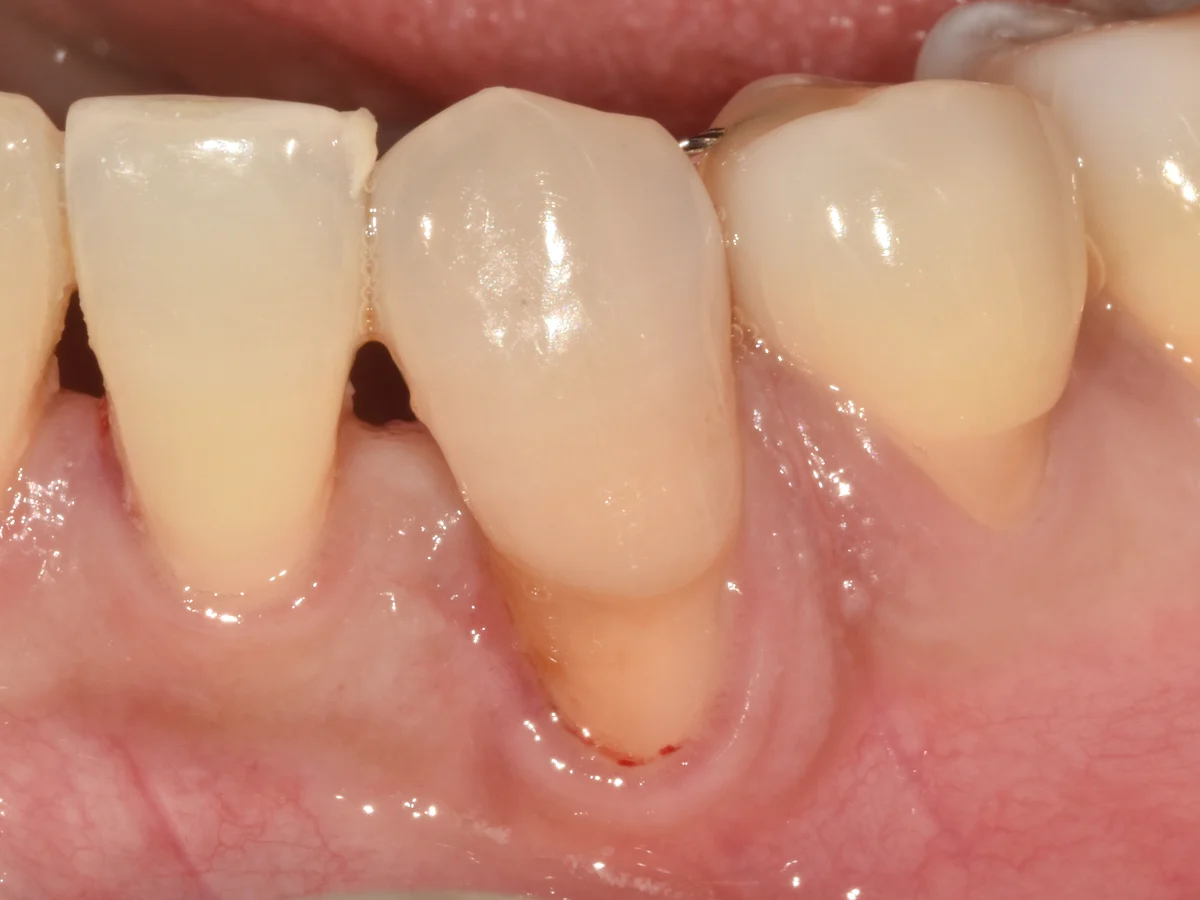
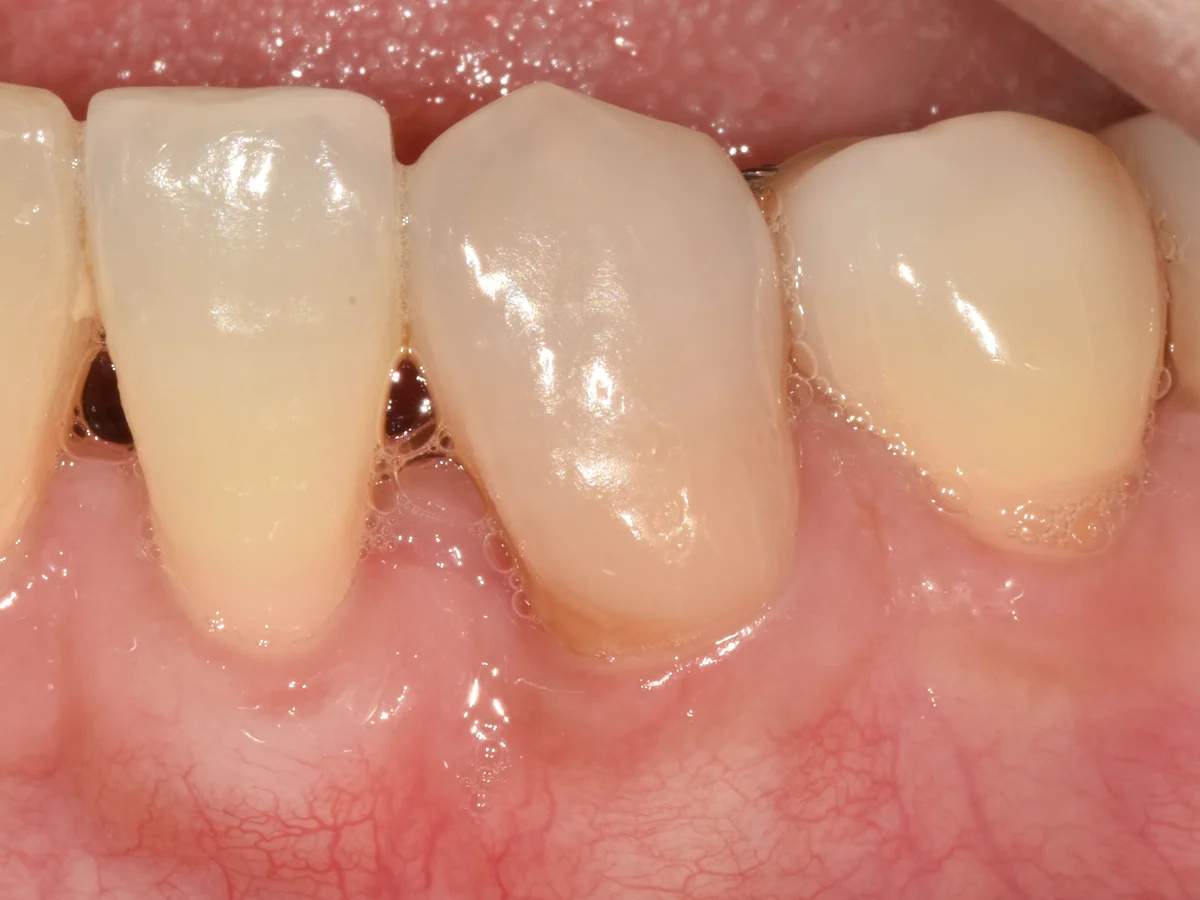
Gums receded on a lower canine after orthodontics, in a patient with thin gums
Connective tissue graft moving tissue from the roof of the mouth · covered the root and thickened the gums
Before treatment · February 2022
Before. The gums on the lower canine had receded deeply, exposing the root, and the surrounding gums were thin.
After healing · October 2022
After healing. The exposed root was covered and the gums became thicker.
Condition
Recession depth 4 mm, gum and bone between the teeth intact, thin gums
Chosen
Connective tissue graft (CTG)
Coverage
3 mm of 4 mm
Orthodontic collaboration
Canine position checked together with a board-certified orthodontist
CASE02
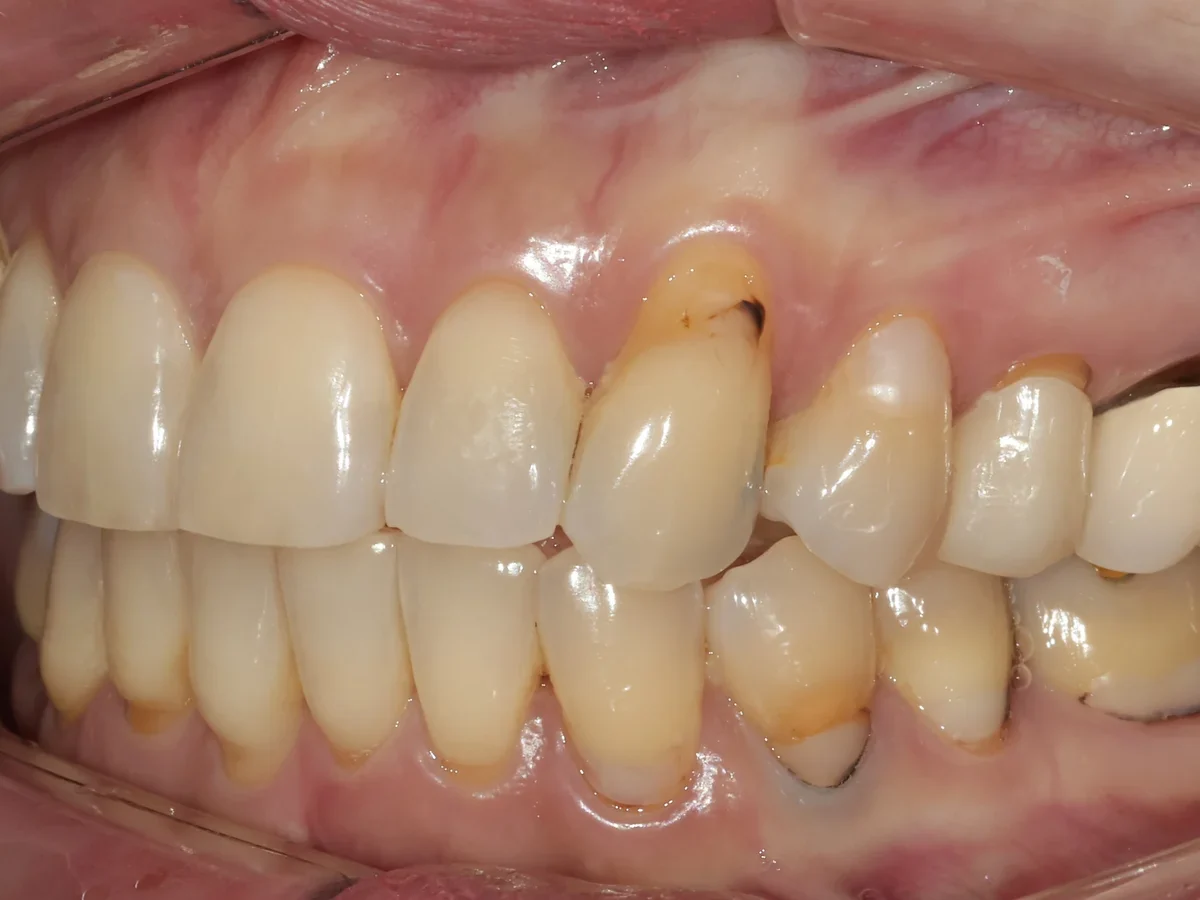
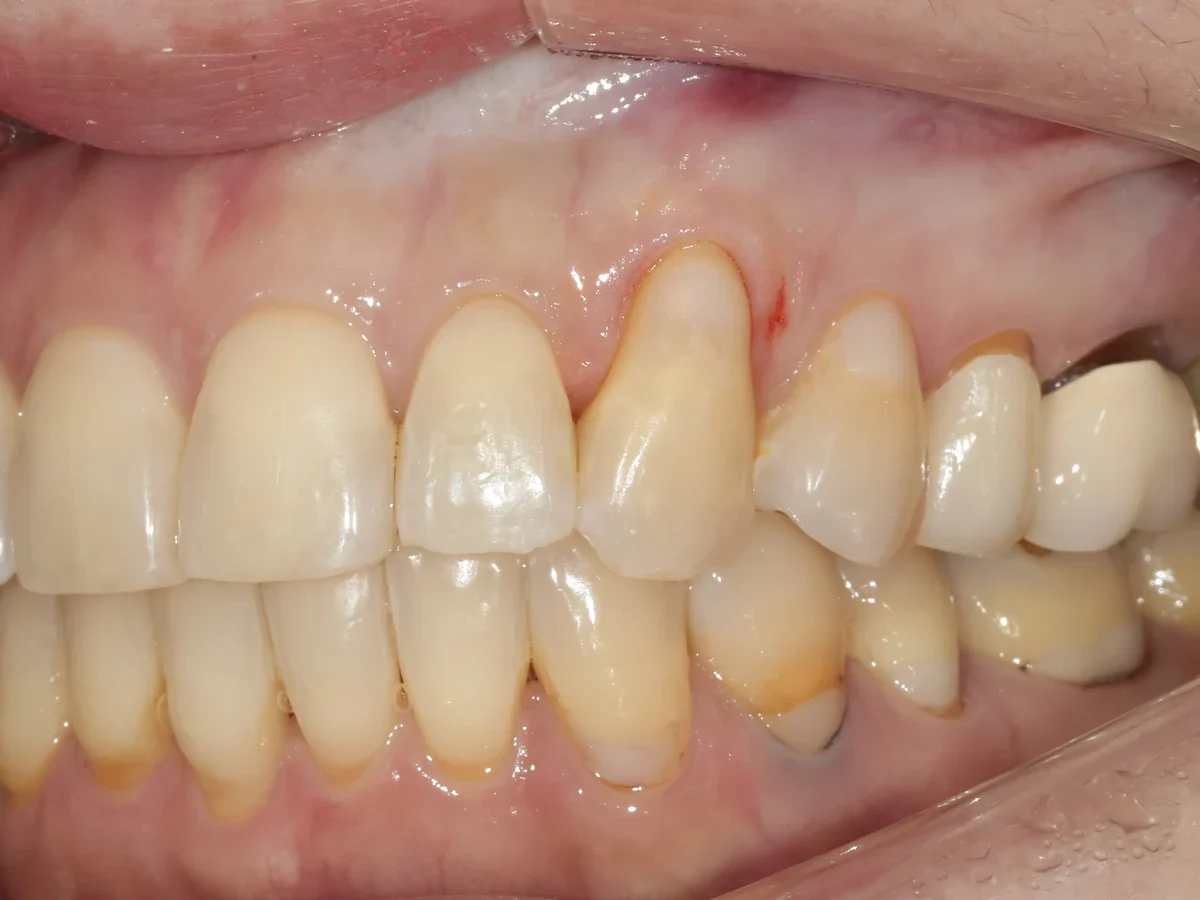
Gum recession and wear at the neck of a canine caused by hard brushing
Brushing corrected without surgery · the worn spot filled with resin, plus desensitizing treatment
Before · March 2026
Before. The gums had receded slightly, and the neck of the tooth was worn by brushing, so cold water caused sensitivity.
After · March 2026
After the resin filling. The patient changed the way of brushing, and at regular checkups we compare photos at the same angle to see whether the gums recede further.
Condition
Recession depth 3.5 mm, no longer progressing
Chosen
Brushing corrected, resin filling for the worn spot, desensitizing treatment
Not done
Gum graft (the gums were not receding further, and sensitivity was the main concern)
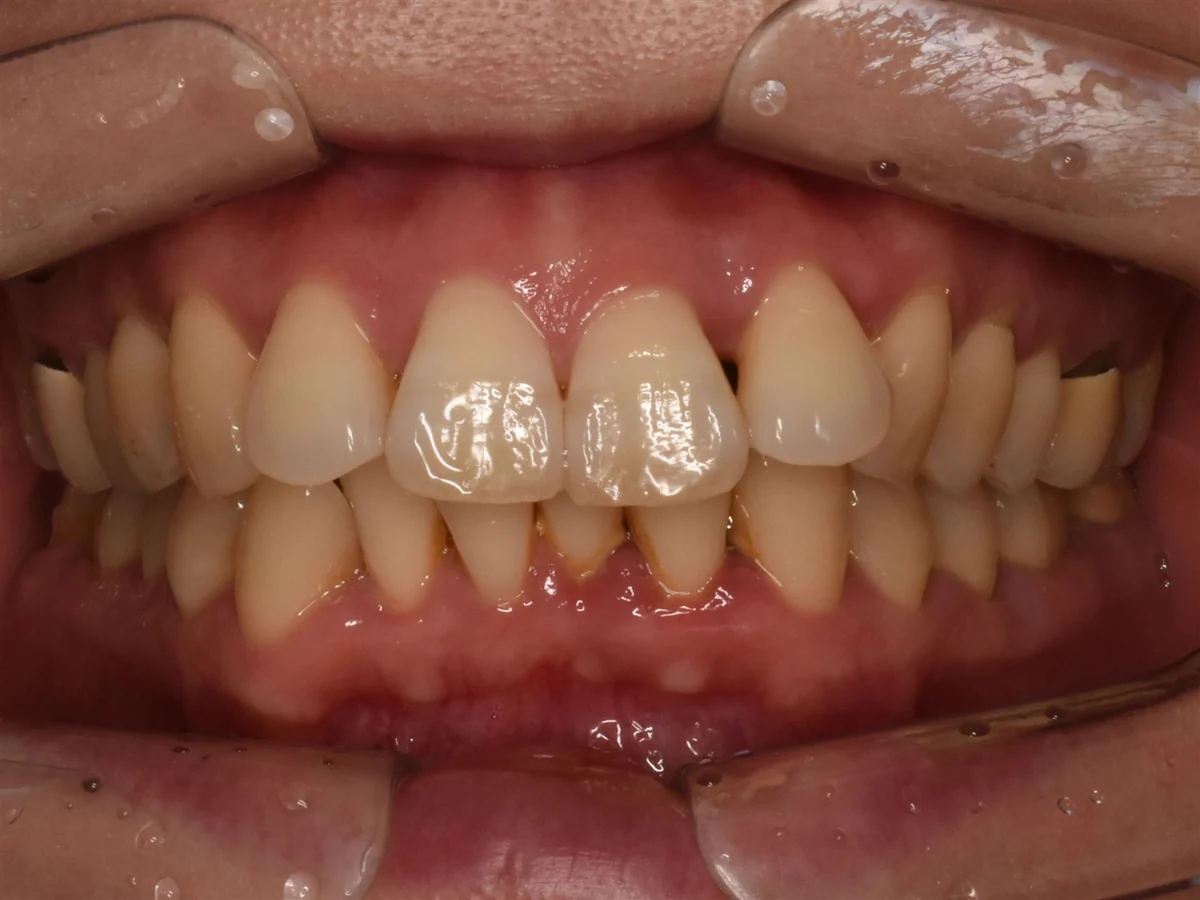
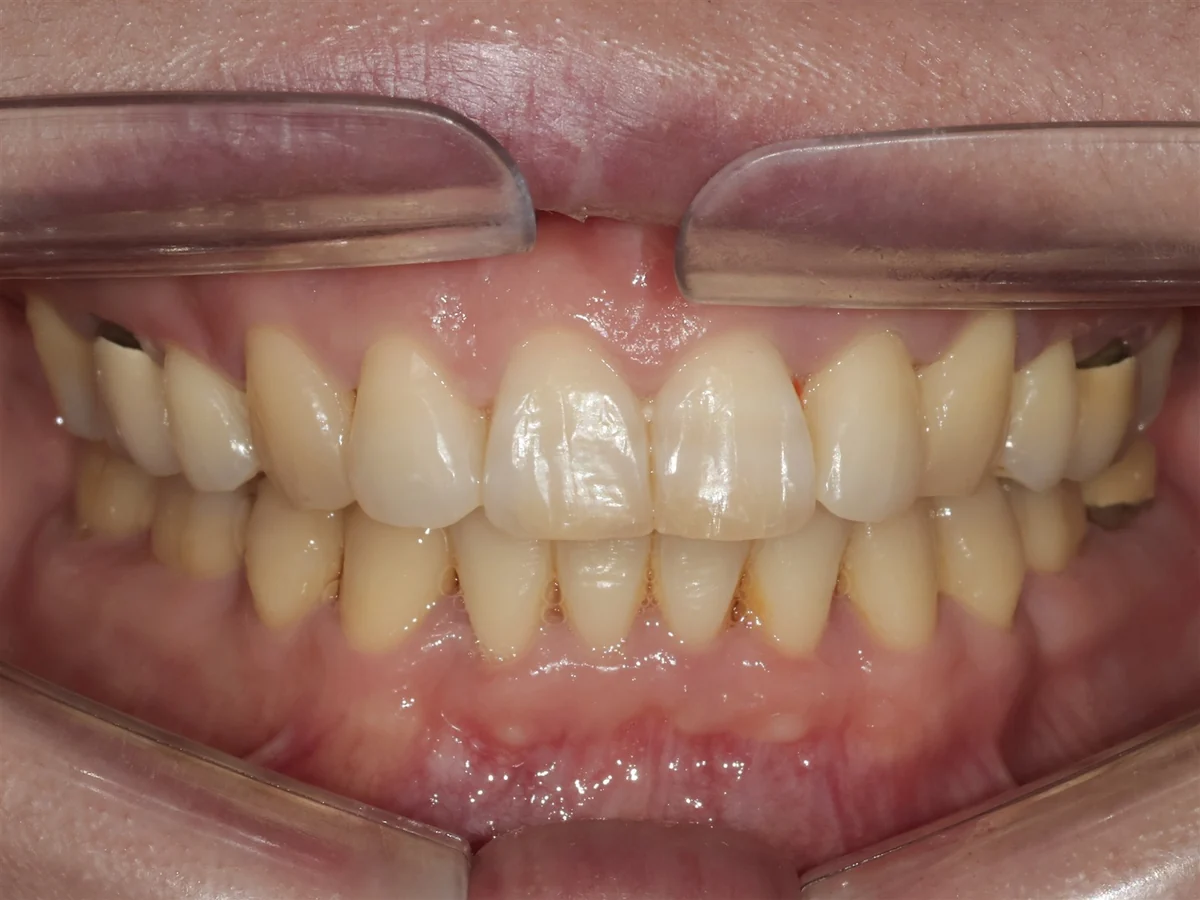
Gum treatment stopped the progress, and only the coverable range was planned · we explained in advance that it could not all be covered
Before · February 2023
Before. Not only the front of the teeth but also the gum and bone between the teeth had receded.
After periodontal treatment and orthodontics · April 2026
After periodontal treatment and orthodontics. Gum treatment calmed the inflammation. The areas between the teeth that had receded were not covered, so the improvement was partial.
Condition
Recession with gum and bone loss between the teeth as well
Chosen
Gum treatment first, then orthodontic treatment
Note
The areas between the teeth that have receded are not covered, and dark gaps (black triangles) may remain
Duration
About 1 year
* Photos were taken under the same conditions and published with the patients' consent. Treatment results and side effects may vary from person to person.
02°
Why do gums recede?
There is often more than one cause, and if a cause remains, the gums recede again even after they are covered.
01Gum disease
When inflammation under the gums breaks down the bone that supports the teeth, the gums above it recede too. It often reaches down between the teeth.
02Hard brushing
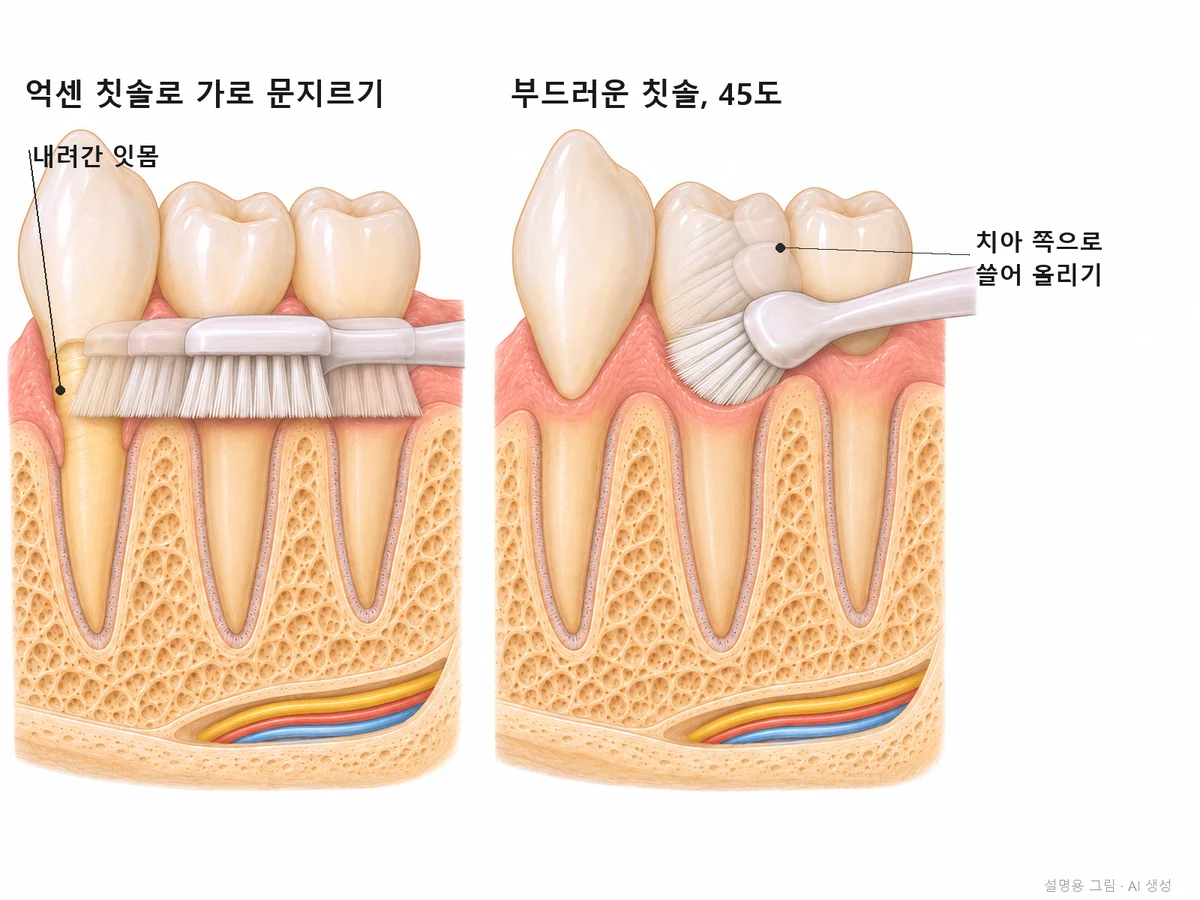
Scrubbing hard side to side with a stiff toothbrush can wear the gums down and wear grooves in the necks of the teeth. This is common on canines and premolars.
03Naturally thin gums
If your gums and the bone beneath them are naturally thin, the gums can recede easily even with small irritation.
04Orthodontics and tooth position
Teeth that were tilted outside the bone, or teeth moved outward during orthodontics, have thin outer bone, so the gums may look receded.
05Clenching and grinding
When the force of clenching concentrates on the neck of a tooth, wear and gum recession can appear together.
03°
How we treat gum recession
We find the cause, measure, control it, and graft only where needed. Each step is shown with real clinical photos.
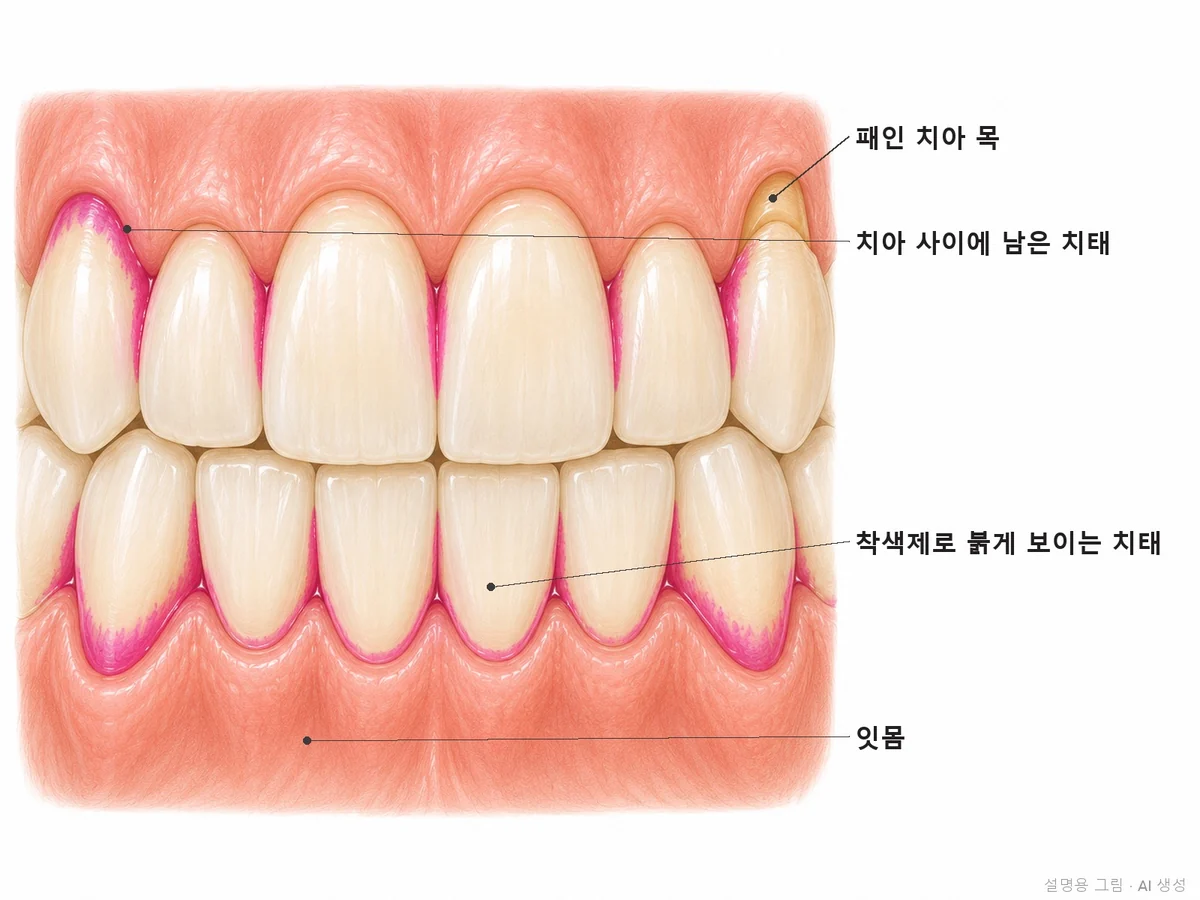
Disclosing agent check
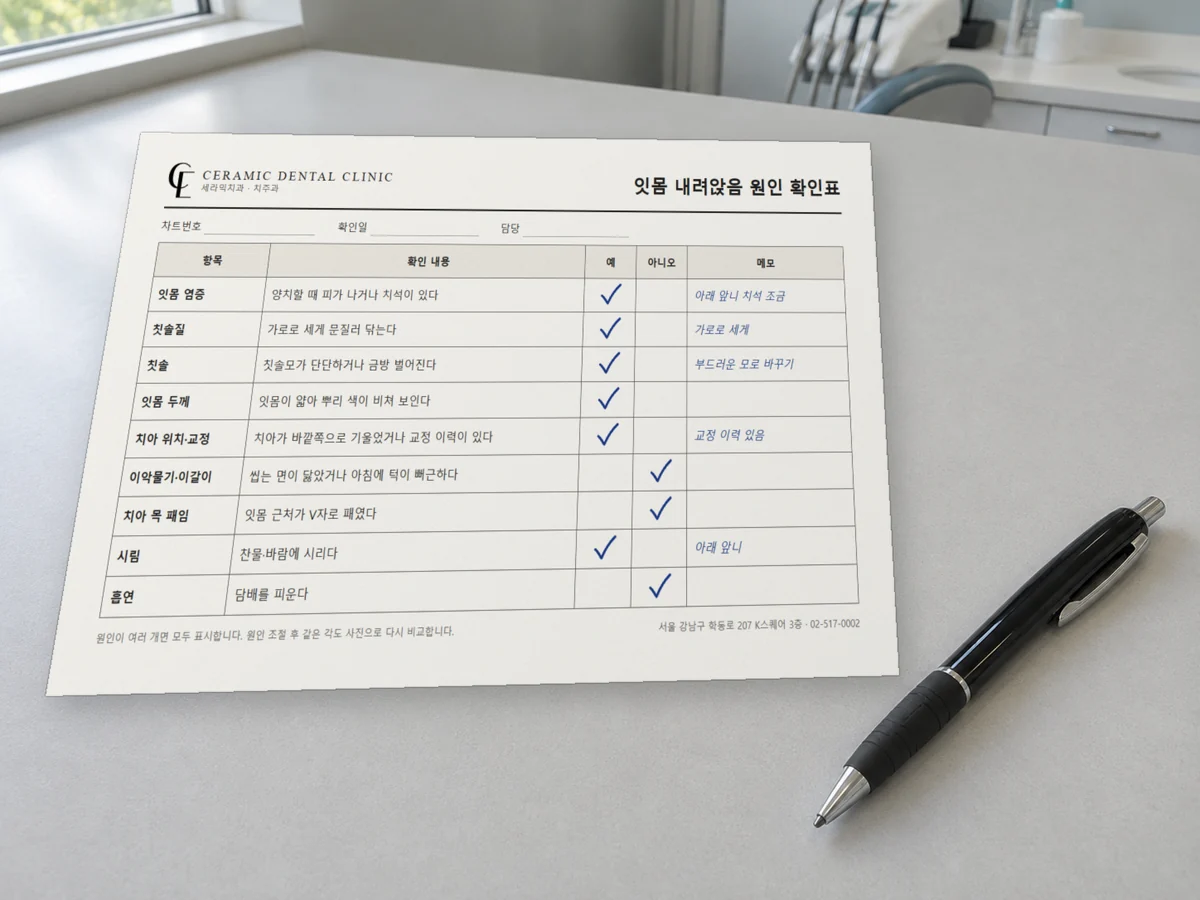
Cause checklist
Finding the cause. We use a disclosing agent to see the spots you miss, and mark on a checklist your usual toothbrush and brushing method, gum inflammation, signs of clenching and orthodontic history, one by one.
STEP 01
We start by finding why the gums receded
We check whether you have gum disease, whether you brush hard, whether your gums are naturally thin, whether tooth position or past orthodontics plays a role, and whether you clench. If there are several causes, we note them all.
Why we do thisIf the cause is left as it is and the gums are covered, the grafted gums recede again for the same reason. Controlling the cause lasts longer than surgery.
Measurement
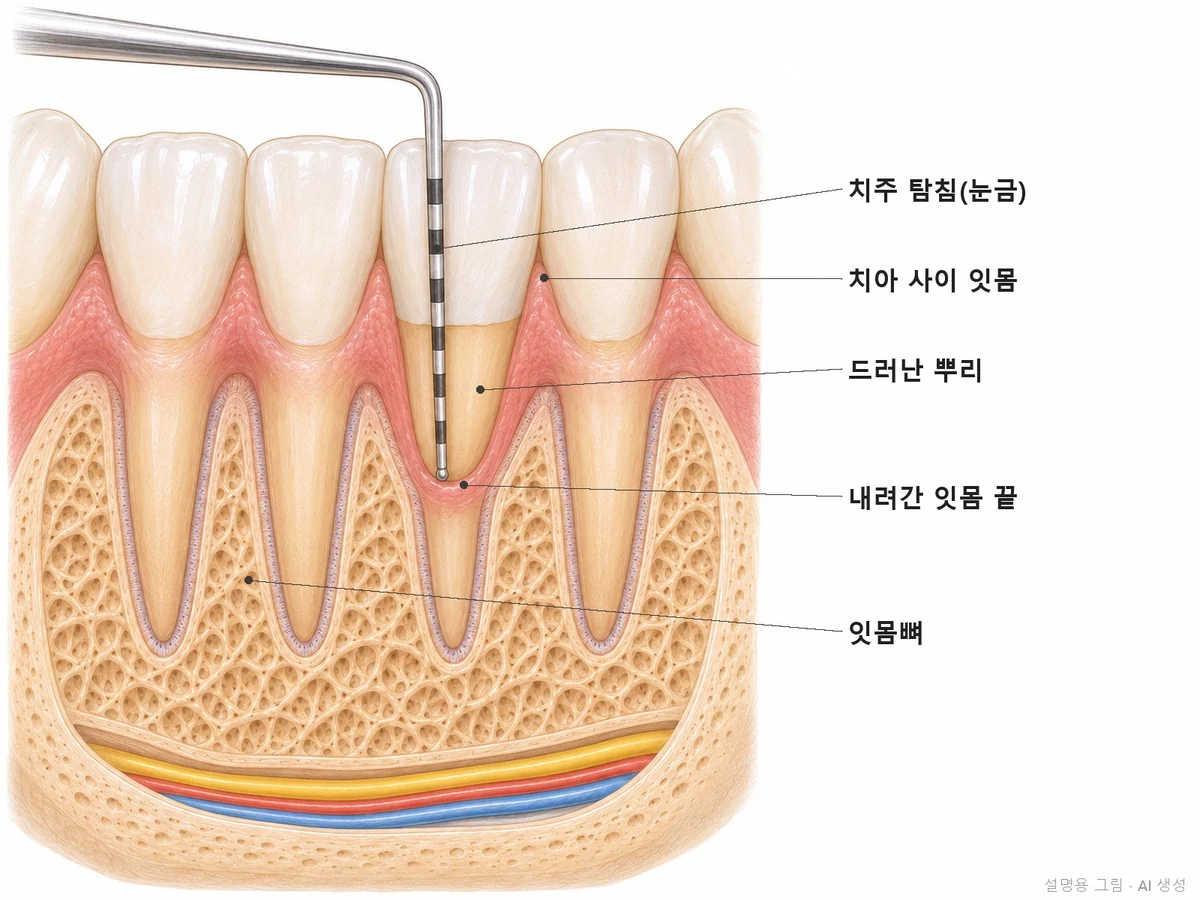
Measurement. With a marked probe, we measure in millimeters the depth and width of the recession, the width of firm gum (keratinized gum), and the gum height between the teeth.
STEP 02
We measure the recession depth and the condition between the teeth in millimeters
We measure how deep and wide the exposed root is, how much firm gum remains below it, and whether the gum and bone between the teeth have receded. We also record the starting condition in photos for later comparison.
Why we do thisThe gum height between the teeth is the best predictor of how much a gum graft will cover. Based on this number, we tell you before surgery whether full or only partial coverage is likely.
Brushing comparison
Controlling the cause. We show you how to brush with a soft toothbrush without scrubbing the gums, and if there is gum inflammation, we do gum treatment first.
STEP 03
We control the cause first and watch
You change your toothbrush and brushing method, we treat gum disease if present, and we manage clenching if needed. Then we compare photos over several months to see whether the gums recede further. We guide you to brush with a soft toothbrush, sweeping from the gums toward the teeth.
Why we do thisAfter the cause is fixed, a spot that does not recede further and is only sensitive may need just desensitizing treatment or a resin filling, without surgery.
Roof of the mouth
Graft site
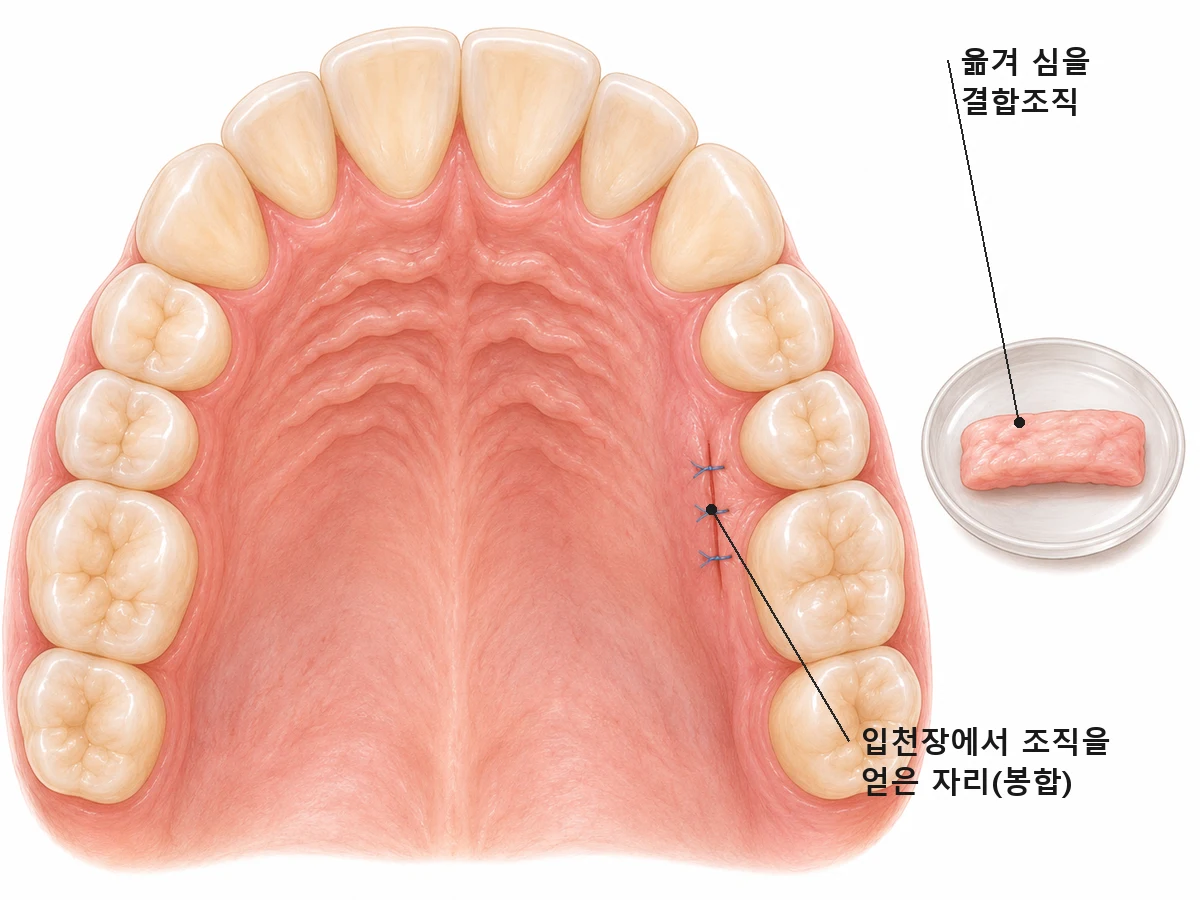
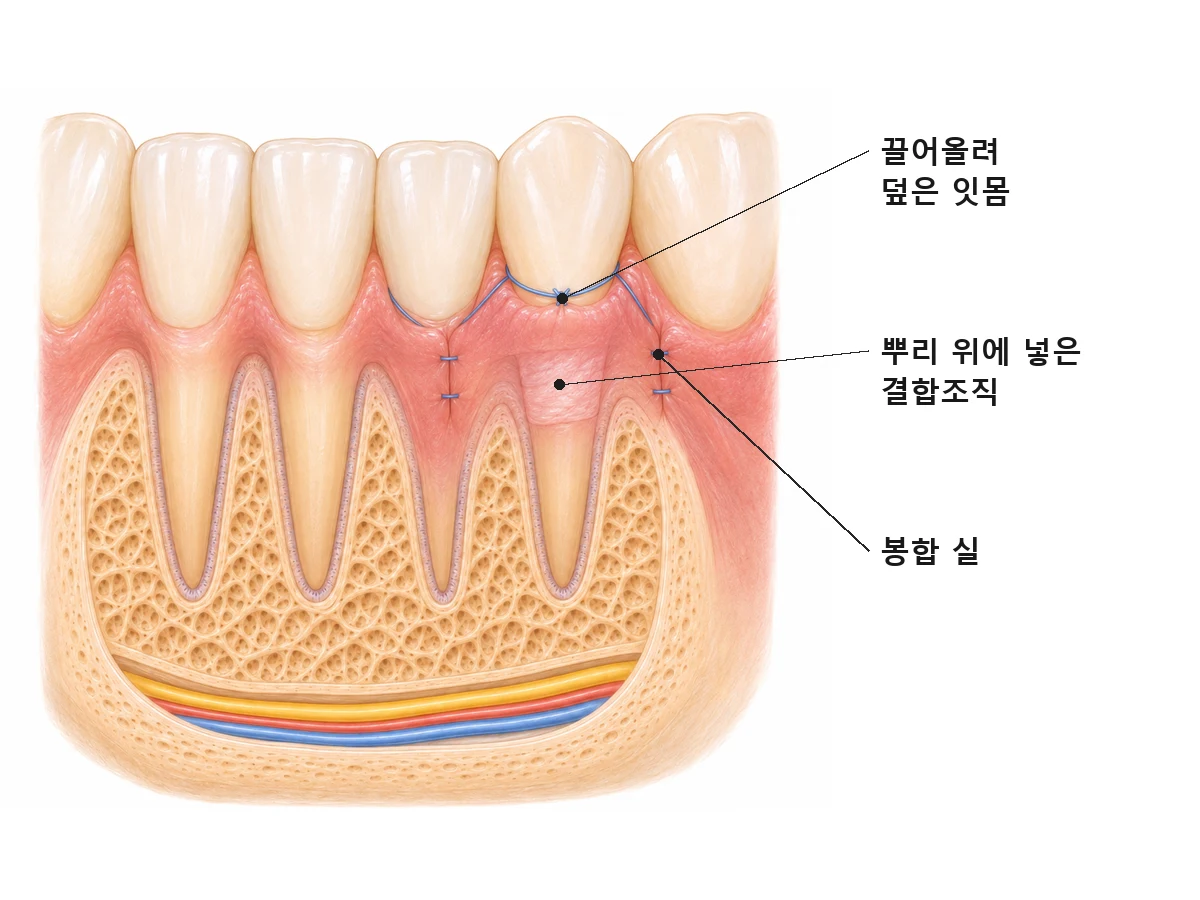
Gum graft. We take a small piece of connective tissue from the inner roof of the mouth, place it under the receded spot, and pull the gum up to cover it.
STEP 04
We graft only where needed
We graft spots where the root is exposed and sensitive, spots that keep receding even after the cause is fixed, and spots where the gums are so thin that the risk of further recession is high. We use a connective tissue graft (CTG), moving a small piece of connective tissue from the inner roof of the mouth, under local anesthesia.
Why we do thisAdding connective tissue covers the root and also thickens the gums, which helps prevent them from receding again.
Before surgery · April 2021
After healing · November 2022
Healing. Stitches are removed at about 2 weeks, and the gum shape and color usually settle over several months. After they settle, we take photos at the same angle as before surgery to compare the coverage.
STEP 05
We check healing and measure the coverage
We check the next day and remove the stitches after 1–2 weeks. Avoid brushing the grafted spot, usually for about 2 weeks until the stitches are removed, and use the prescribed mouthwash. After the gums settle, we measure again and show you how many millimeters were covered compared with the start.
Why we do thisIn the first few weeks, the grafted tissue attaches as new blood vessels connect. Rubbing or pulling during this time can keep it from attaching, so be careful.
Start · April 2021
1 year 7 months later · November 2022
Regular photo comparison. We place photos taken at the same angle side by side to check that the gums are not receding again.
STEP 06
We compare photos regularly
At regular checkups, we take photos at the same angle and compare them with the first ones. If there are signs of recession again, we recheck causes such as brushing and clenching.
Why we do thisGums recede very slowly, so it is hard to notice in a mirror. Comparing photos helps find even small changes early.
* Clinical photos were published with the patients' consent. Side effects such as temporary pain or discomfort may occur depending on the person.
04°
The gum between the teeth decides how much can be covered
01When the gum and bone between the teeth are intact
The gums have receded only on the front surface of the tooth. A gum graft can often cover most or all of the exposed root.
02When the area between the teeth has also receded slightly
The gum and bone between the teeth have receded less than the front. Part can be covered, but full coverage may be difficult.
03When the area between the teeth has receded as much as the front
The gum and bone between the teeth have receded as much as or more than the front. A graft can hardly cover it, so we control the cause, treat sensitivity, and if needed improve the shape with resin or a crown.
These groups are a patient-friendly version of the gingival recession classification (Cairo 2011). We explain which applies to you while looking at your measured numbers.
05°
Comparison of treatment options
Cause control and care
Desensitizing treatment and resin
Gum graft
Good for
Done first in every case of gum recession
The gums are not receding further, and sensitivity or wear is the main concern
Exposed, sensitive roots, gums that keep receding, or very thin gums
In these cases, other treatment comes first, or you may not need treatment
A gum graft suits you if
Your roots are exposed and sensitive
Your gums keep receding even after the cause is fixed
Your gums are so thin that they need thickening before orthodontics or crowns
Other treatment comes first
Gum disease: gum treatment first, to calm the inflammation.
Hard brushing or clenching is the cause: controlling the cause comes first.
You smoke: grafted tissue does not attach well, so we first recommend quitting.
You may not need it now
The gums are not receding further and only sensitivity remains: desensitizing treatment or a resin filling may be enough.
07°
After surgery
Do not brush the grafted spot, usually for about 2 weeks until the stitches are removed, and use the prescribed mouthwash. After that, brush gently with a soft toothbrush for a few more weeks.
For a few days, eat soft, non-spicy food and do not chew on the side that had surgery.
Do not pull your lip to check the wound. The pulling force can shift the grafted gum.
If the wound on the roof of the mouth is large and could reopen or become inflamed, we cover it with a protective plate.
08°
Self-check
If any apply, we first check the cause and depth of the recession.
09°
Side effects and limits
Please read
· The spot on the roof of the mouth where tissue was taken may sting and feel uncomfortable for a few days.
· Swelling and bruising may last a few days.
· Part of the grafted tissue may not attach or may shrink.
· Depending on the condition between the teeth, coverage may be less than expected.
· The gum color or thickness at the graft site may look slightly different from the surrounding gums.
· If the cause continues, the gums can recede again. Care to prevent further recession lasts longer than surgery to cover it.
FAQ
FAQ
Do receded gums grow back on their own?
Apart from gums that were swollen from inflammation settling down, receded gums do not grow back on their own. We control the cause to stop further recession and cover the spots that need it with a gum graft.
How much a gum graft covers depends on how much gum and bone remain between the teeth. If the areas between the teeth are intact, coverage is usually good. If they have also receded, only part can be covered, or coverage may be difficult, so we tell you the expected range before surgery.
Does gum graft surgery hurt?
A gum graft is done under local anesthesia, so you should not feel pain during the surgery. However, the spot on the roof of the mouth where tissue is taken may hurt for a few days to 1–2 weeks until it heals, and patients say this is the most uncomfortable part. We give you painkillers, and if the wound is large, we cover it with a protective plate.
Did orthodontics make my gums recede?
When gums look receded after orthodontics, several causes are often involved together, such as naturally thin gums, tooth position and brushing. We look at tooth position and gum thickness together with a board-certified orthodontist and explain the causes one by one.
How should I brush if my gums have receded?
If your gums have receded, it is best to brush with a soft toothbrush, sweeping from the gums toward the teeth, and not to scrub hard side to side. Clean between the teeth with an interdental brush. We recommend a toothbrush with soft bristles.
Can I just treat the sensitivity?
If the gums are not receding further and sensitivity is your main concern, desensitizing treatment or a resin filling may be enough. But if the gums keep receding or are very thin, we consider a graft.
Can gums recede again after a gum graft?
If causes such as hard brushing or gum disease continue, the grafted gums can recede again. So at regular checkups, we take photos at the same angle and compare them with the first ones.
Evidence and references
Cairo F, et al. The interproximal clinical attachment level to classify gingival recessions and predict root coverage outcomes. Journal of Clinical Periodontology, 2011 (a classification that groups gum recession by the loss of attachment between the teeth and predicts how much can be covered)
Questions from international patients who live in Korea or travel to Seoul for treatment.
Can I use Korean National Health Insurance?
If you are enrolled in Korea's National Health Insurance, insured treatments are billed under the same insurance rules as for other enrollees. Whether a treatment is covered depends on the treatment and the insurance rules, and we tell you before treatment starts. If you are not enrolled, you pay the full fee.
OSSTEM or Dentium implants are KRW 1,200,000 per implant, and implants with a zirconia crown are KRW 1,500,000. If bone is lacking, a bone graft is KRW 200,000 to 1,000,000 per site, depending on your jawbone. International and Korean patients pay the same fees. See our fee schedule.
How many visits do I need, and how long should I stay in Korea?
Implants need time for the bone and the implant to bond firmly. So you either visit Korea more than once or plan a longer stay. The schedule depends on your bone and whether a bone graft is needed, and we explain it after a CT scan.
Can I have my consultation in English?
Yes. The doctor in charge of each field consults with you directly in English. For implants and gum care, this is Dr. Ilseop Ahn, a board-certified periodontist. Before you travel, you can send photos of your teeth on WhatsApp or by email. An accurate diagnosis is made after we examine you in person.
What happens after I go home?
Implants do not decay, but the gums around them can become inflamed. If you notice swelling, bleeding or movement, it needs to be checked. Send us a photo on WhatsApp if anything worries you. Regular check-ups and scaling help keep the area healthy.
Results, the number of visits and schedules vary from person to person. More questions: Visiting from abroad.


 Before treatment · February 2022
 After healing · October 2022
 Before · March 2026
 After · March 2026
 Before · February 2023
 After periodontal treatment and orthodontics · April 2026
 Disclosing agent check
 Cause checklist
 Measurement
 Brushing comparison
 Roof of the mouth
 Graft site
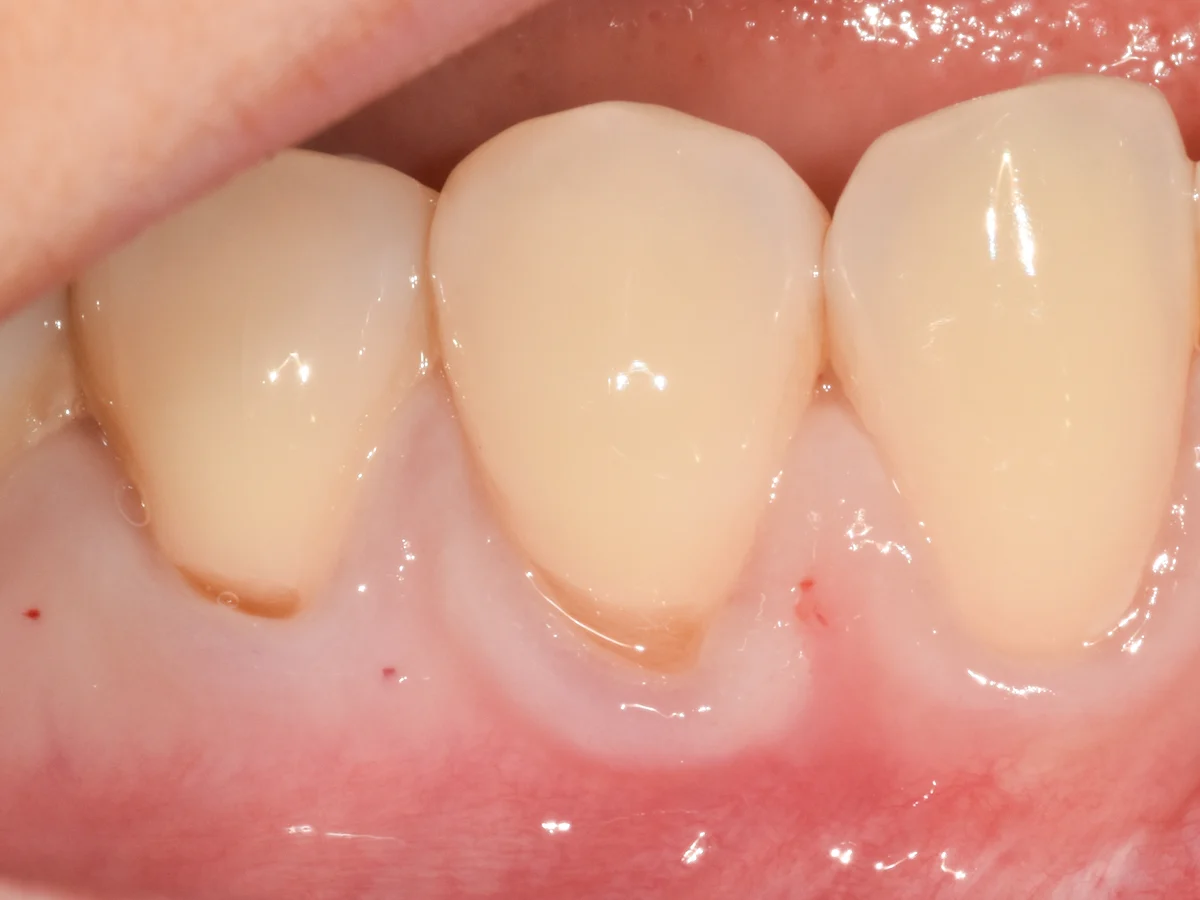 Before surgery · April 2021
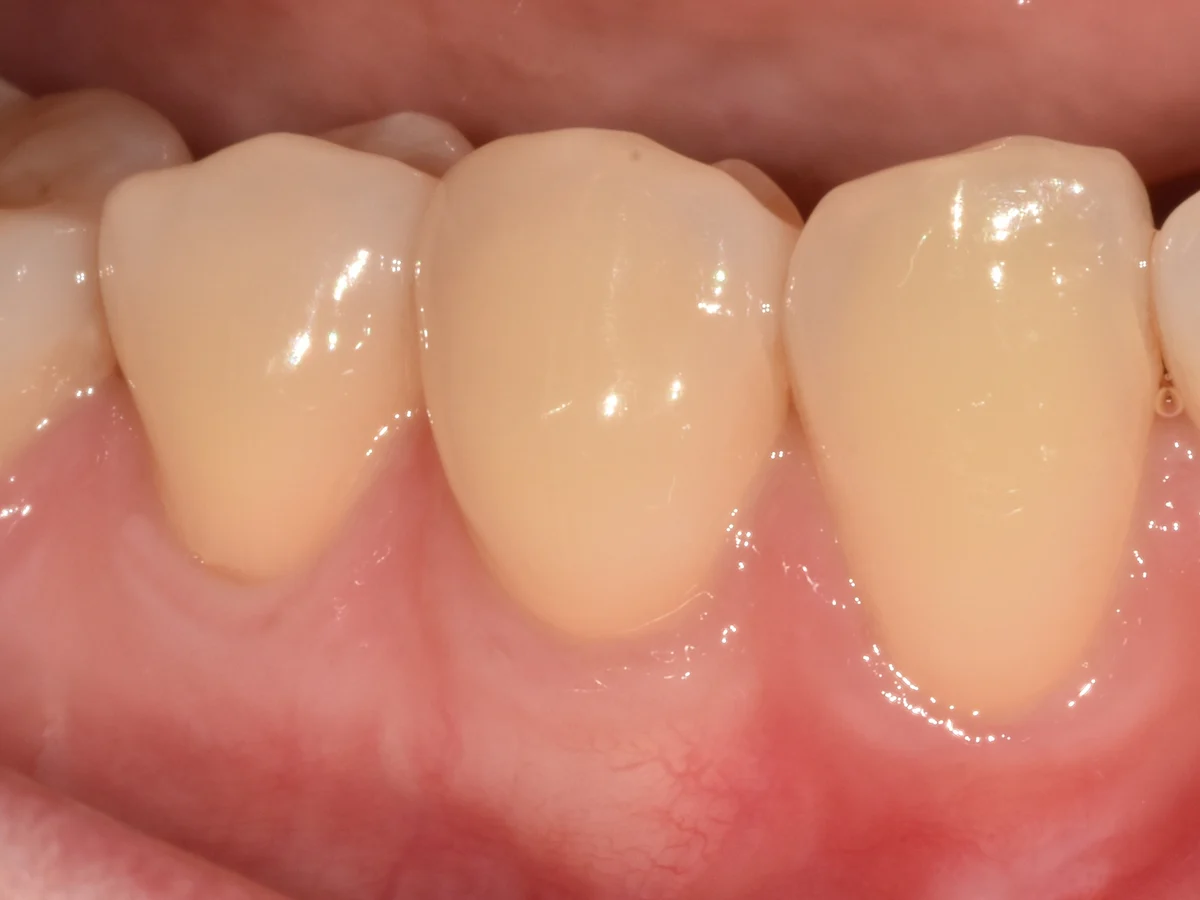 After healing · November 2022
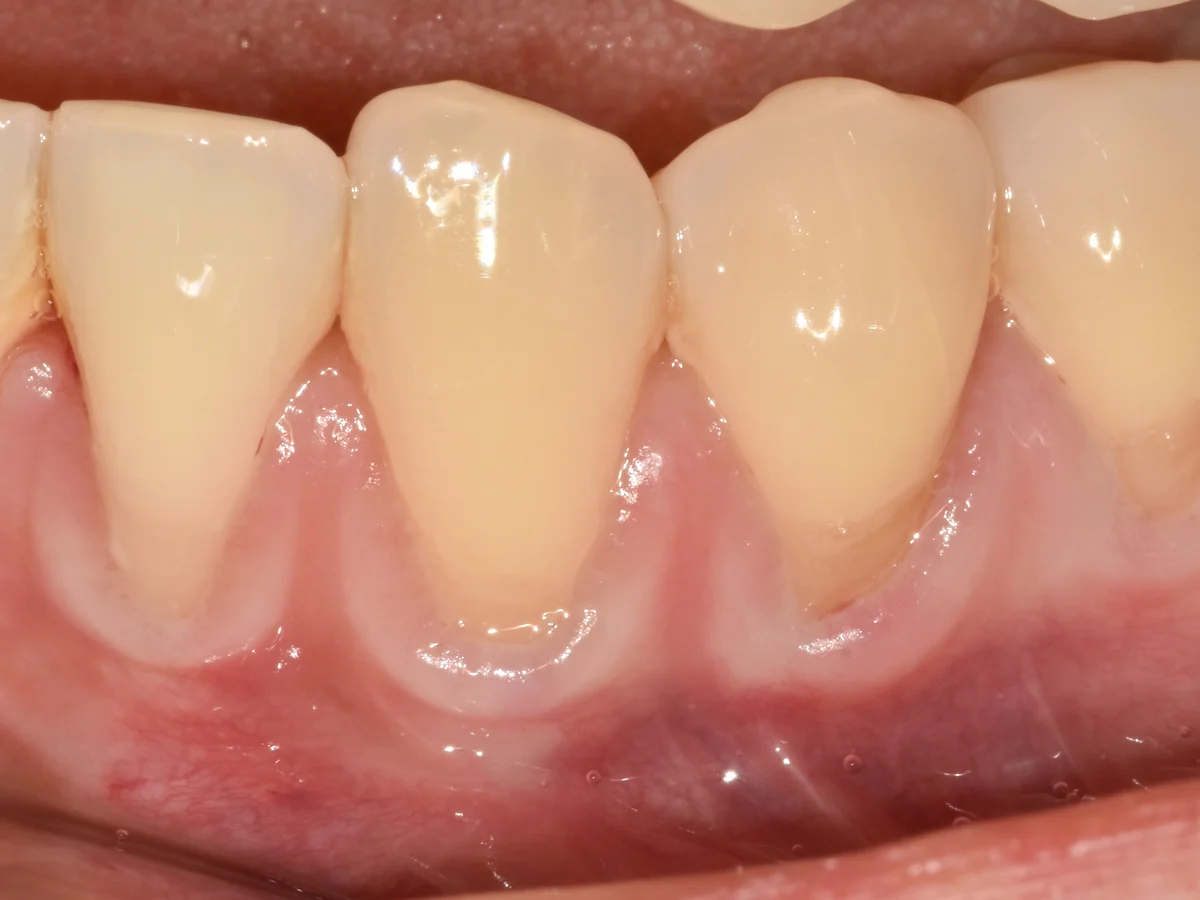 Start · April 2021
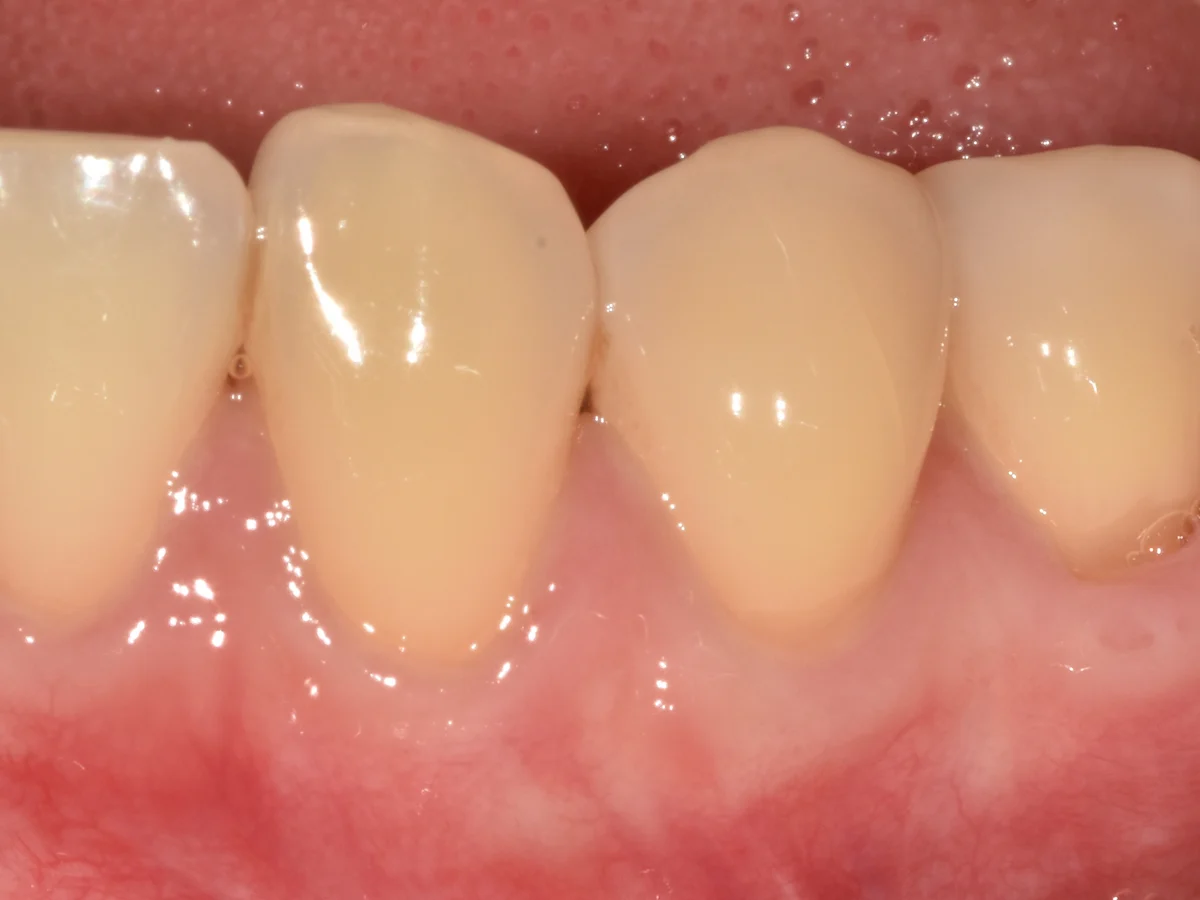 1 year 7 months later · November 2022